Sarah Gillespie: Birded and Eyed
20 June - 6 September 2026
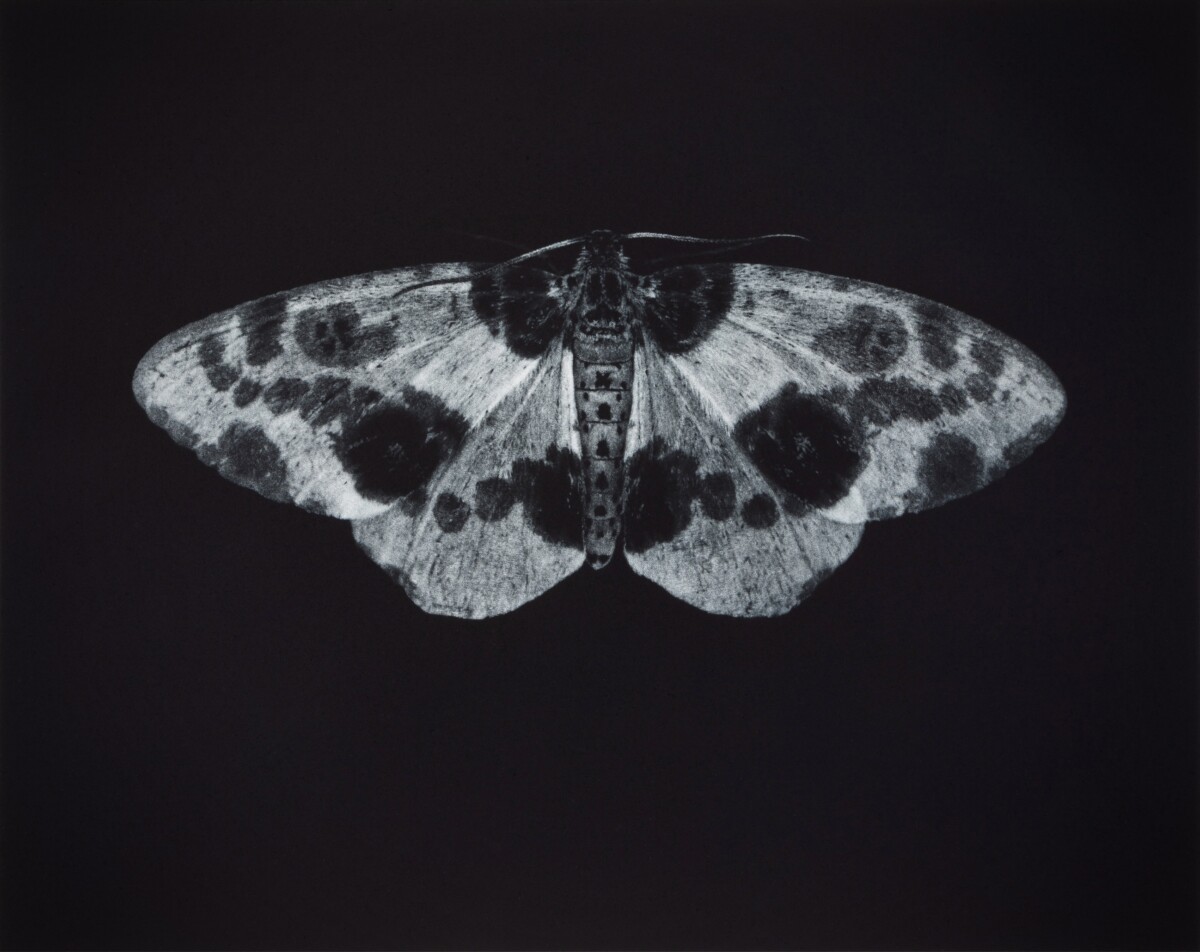
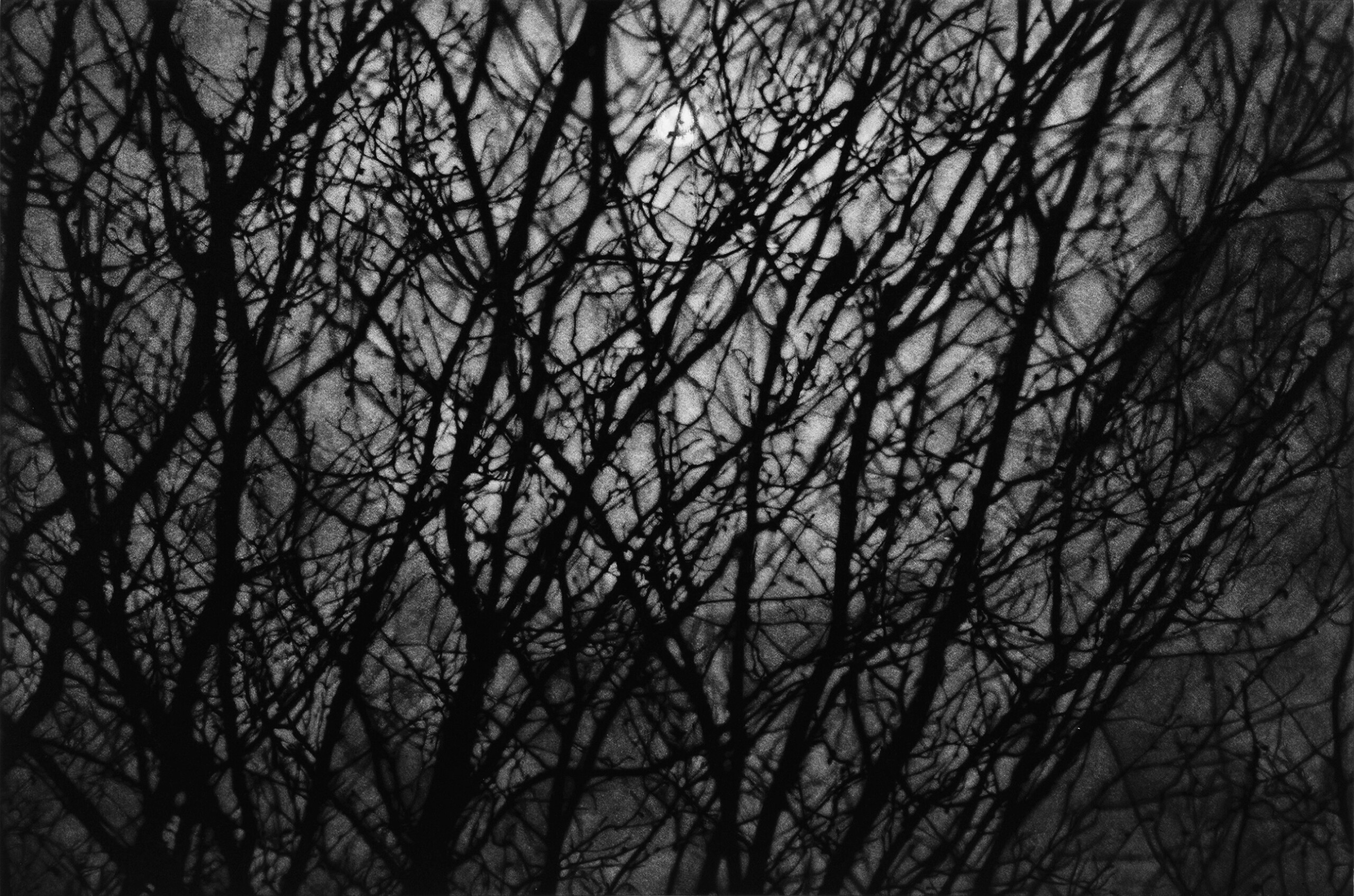
“The woods all dark now, birded and eyed.”
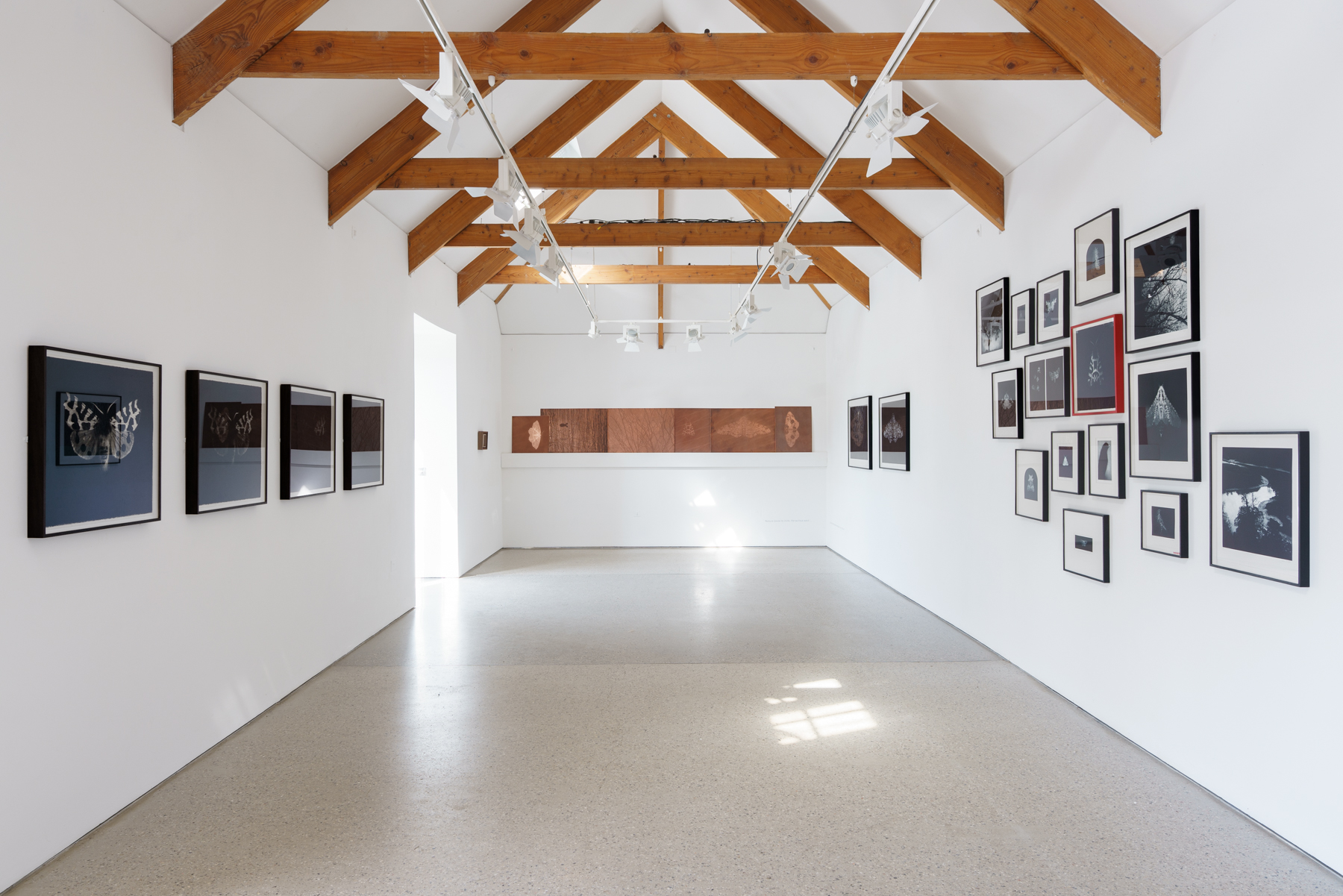
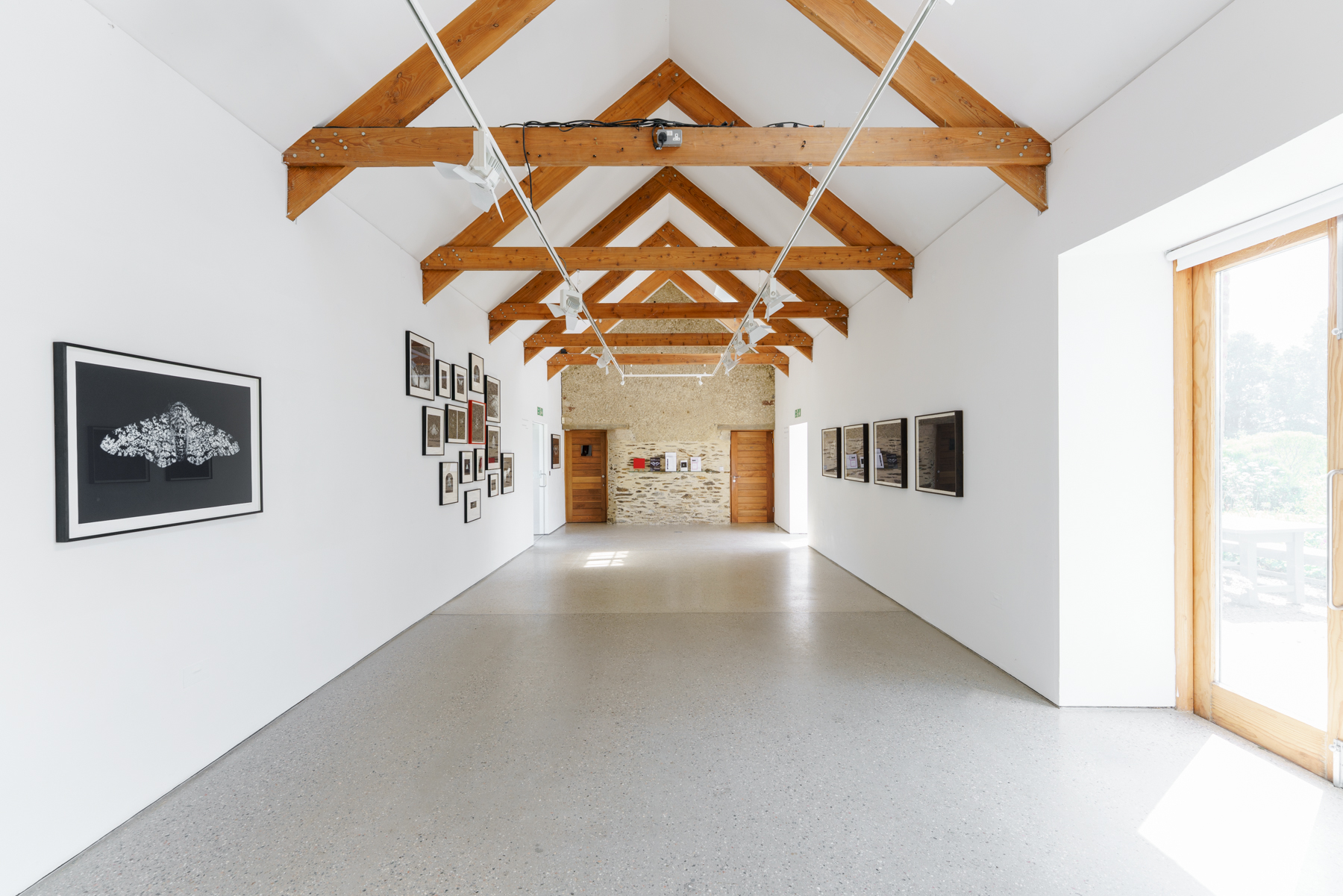
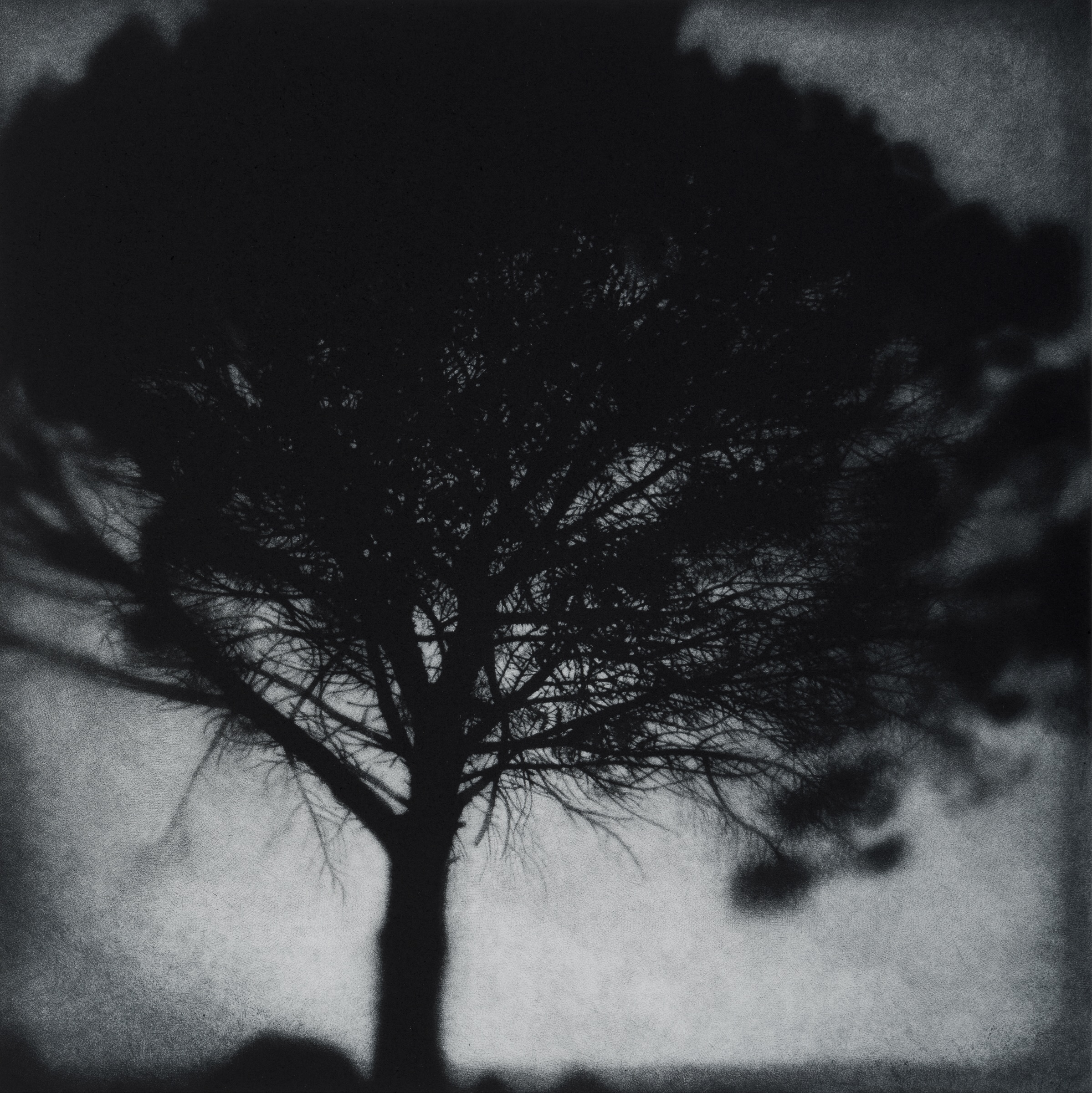
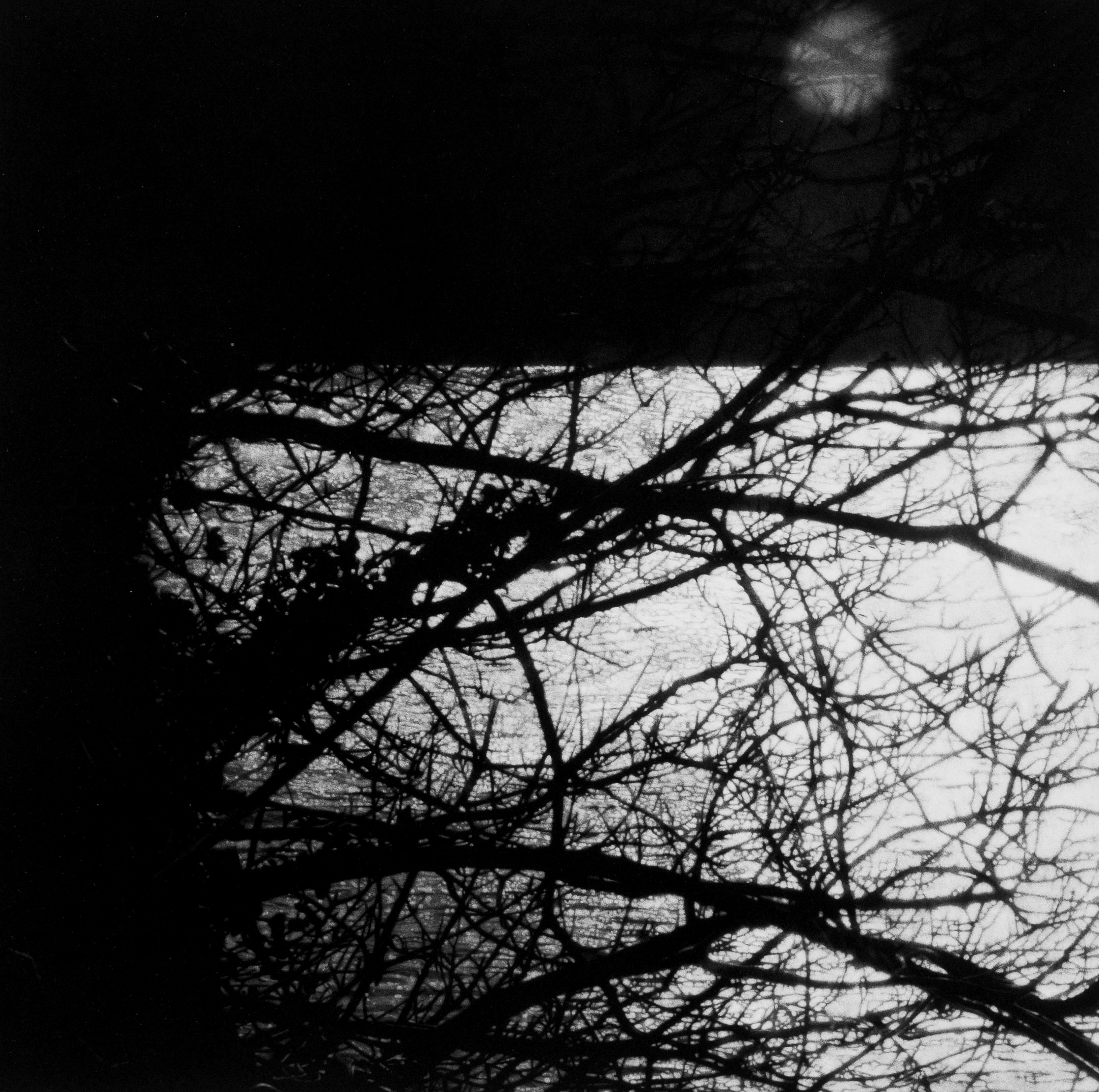
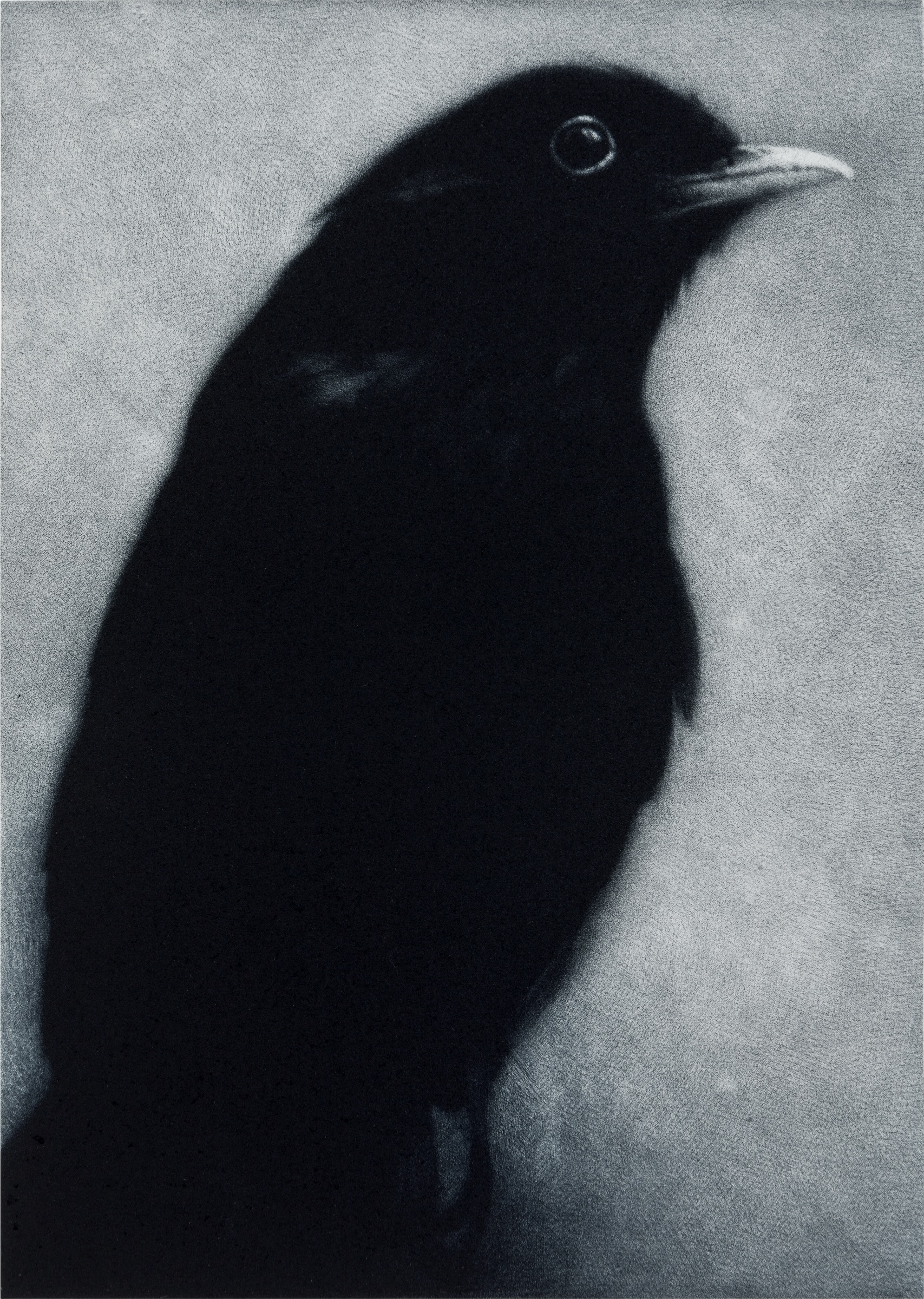
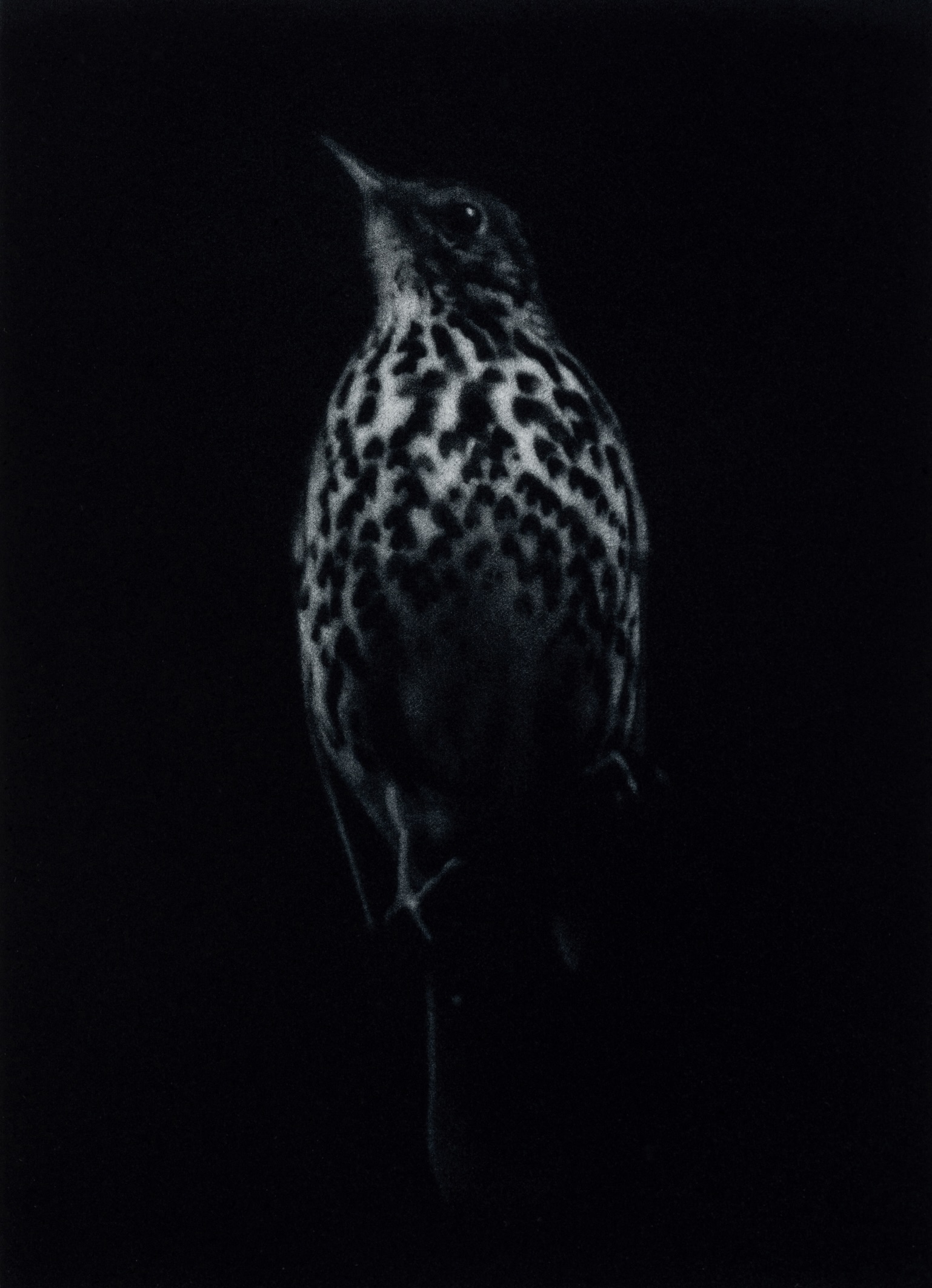
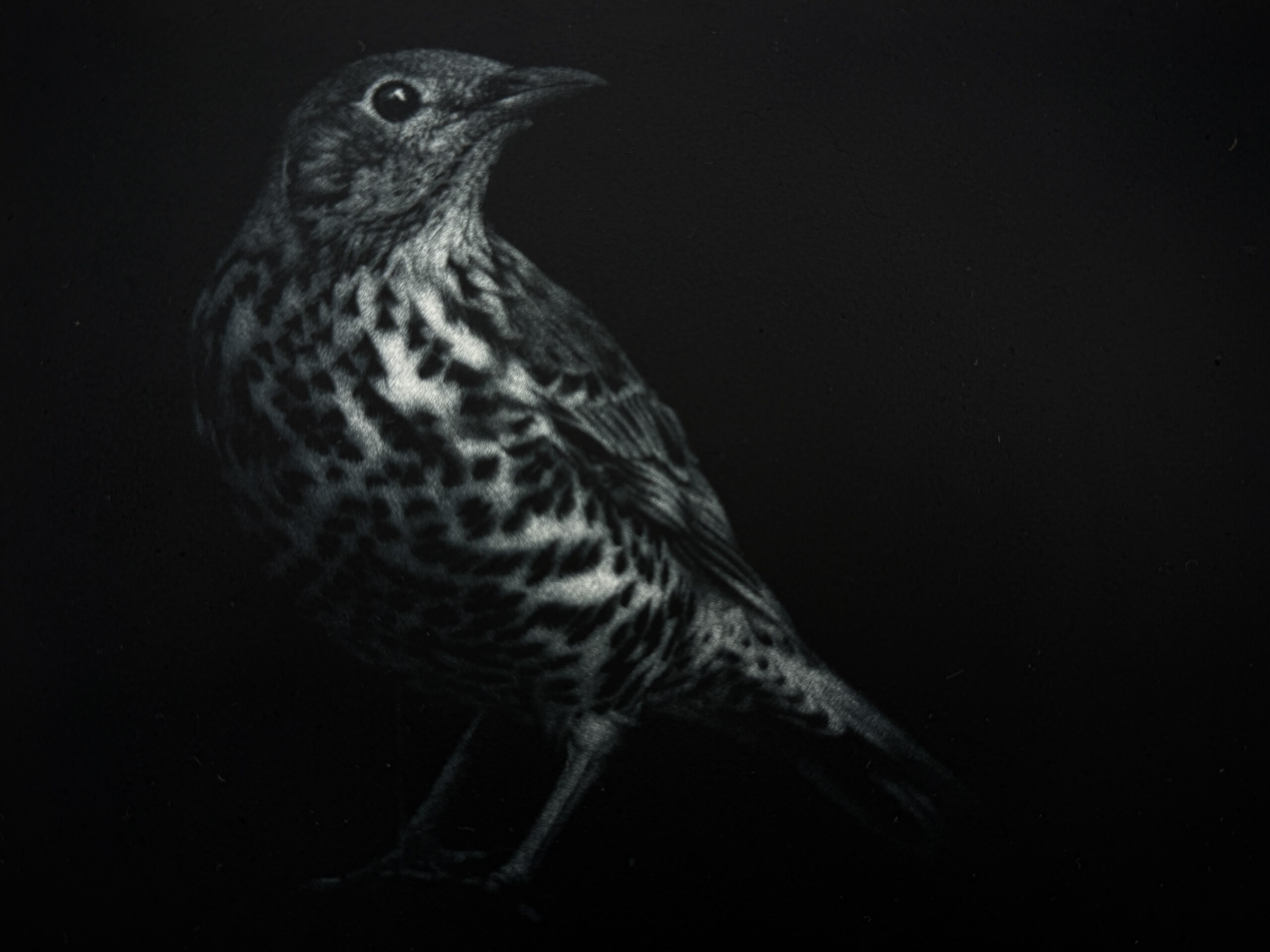
Kestle Barton presents a second solo exhibition by Sarah Gillespie, bringing together new works in mezzotint and drawing. The exhibition takes its title from a line by the American poet Jane Hirshfield, reflecting Gillespie’s ongoing attention to the animate, watchful presence of the natural world.
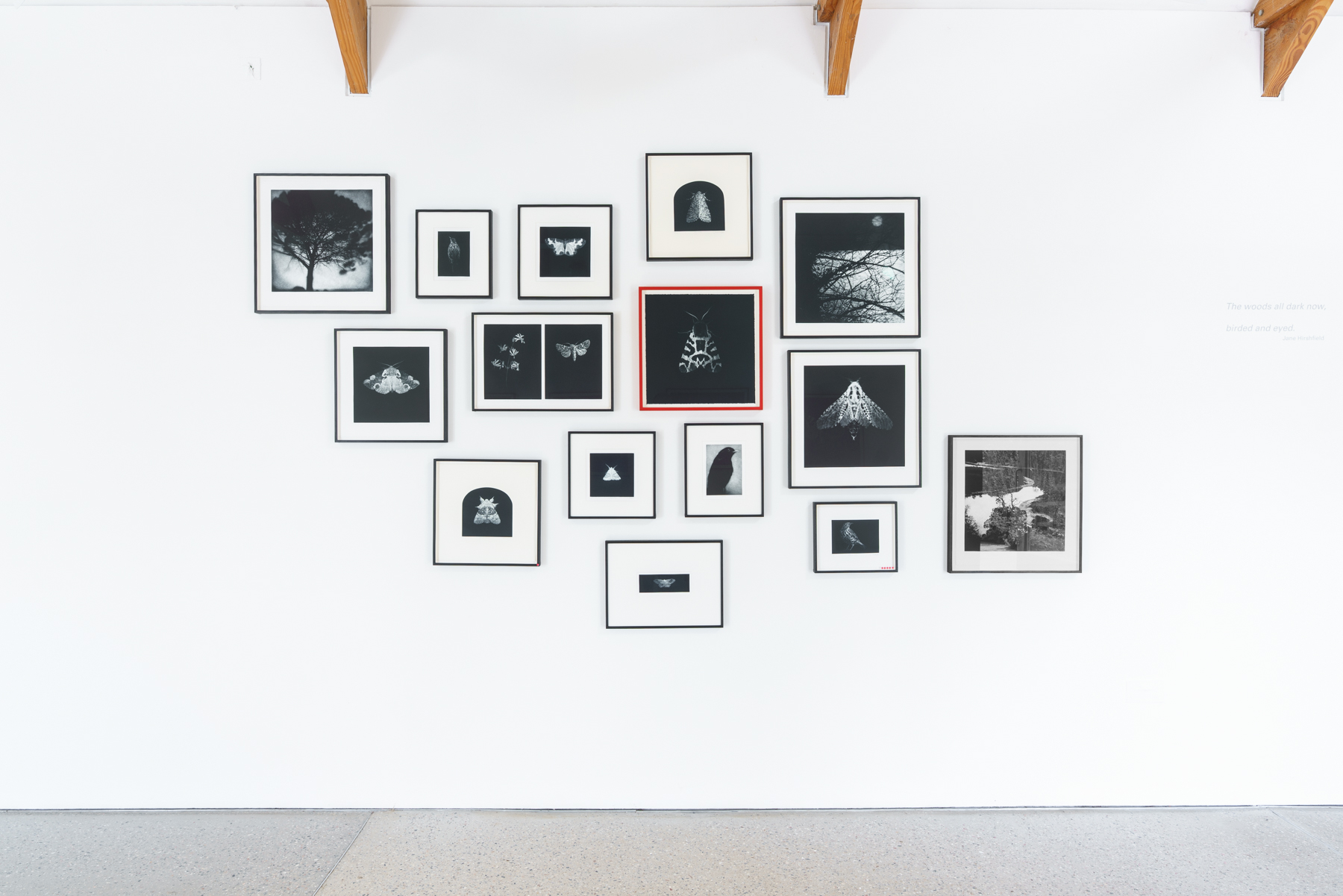
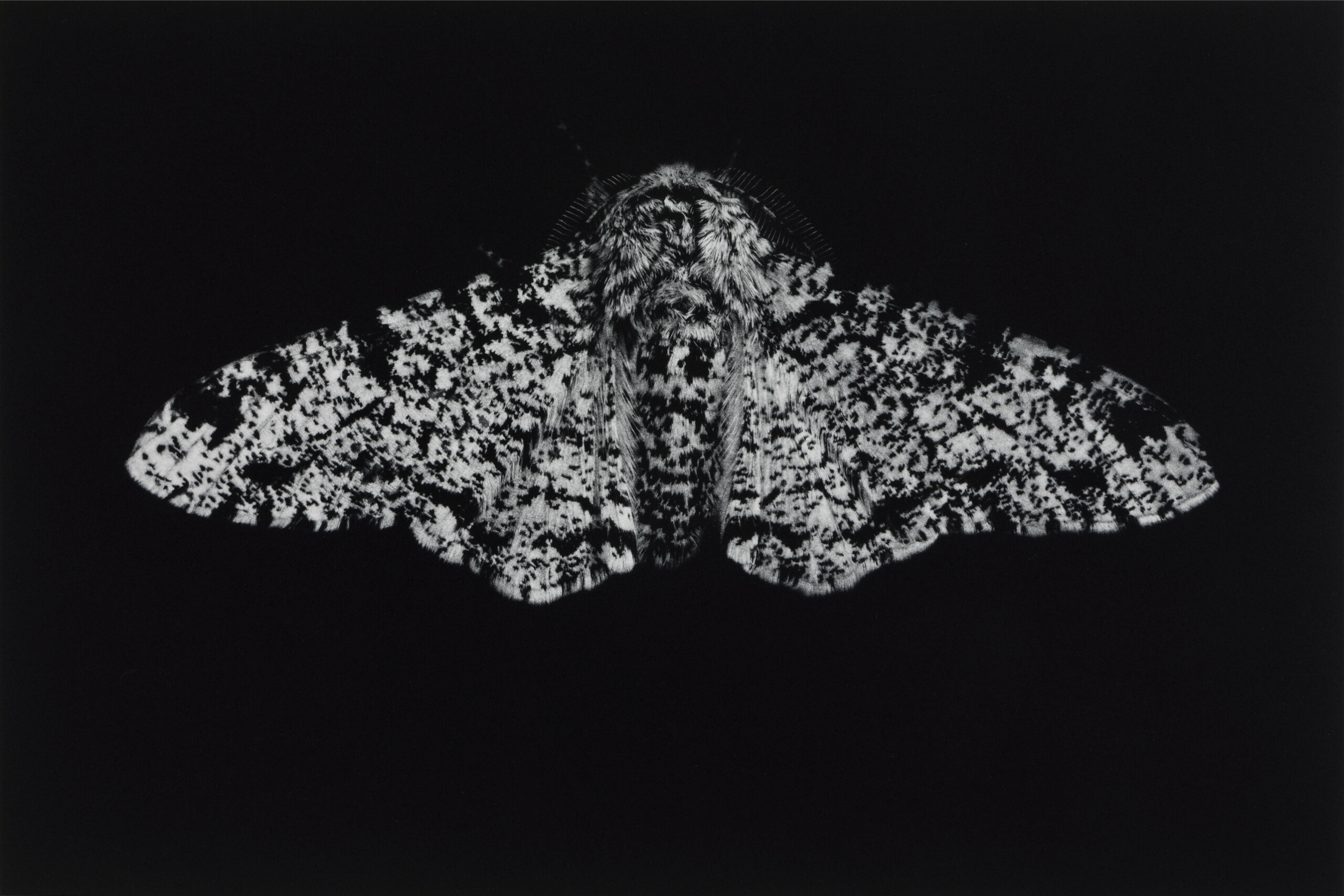
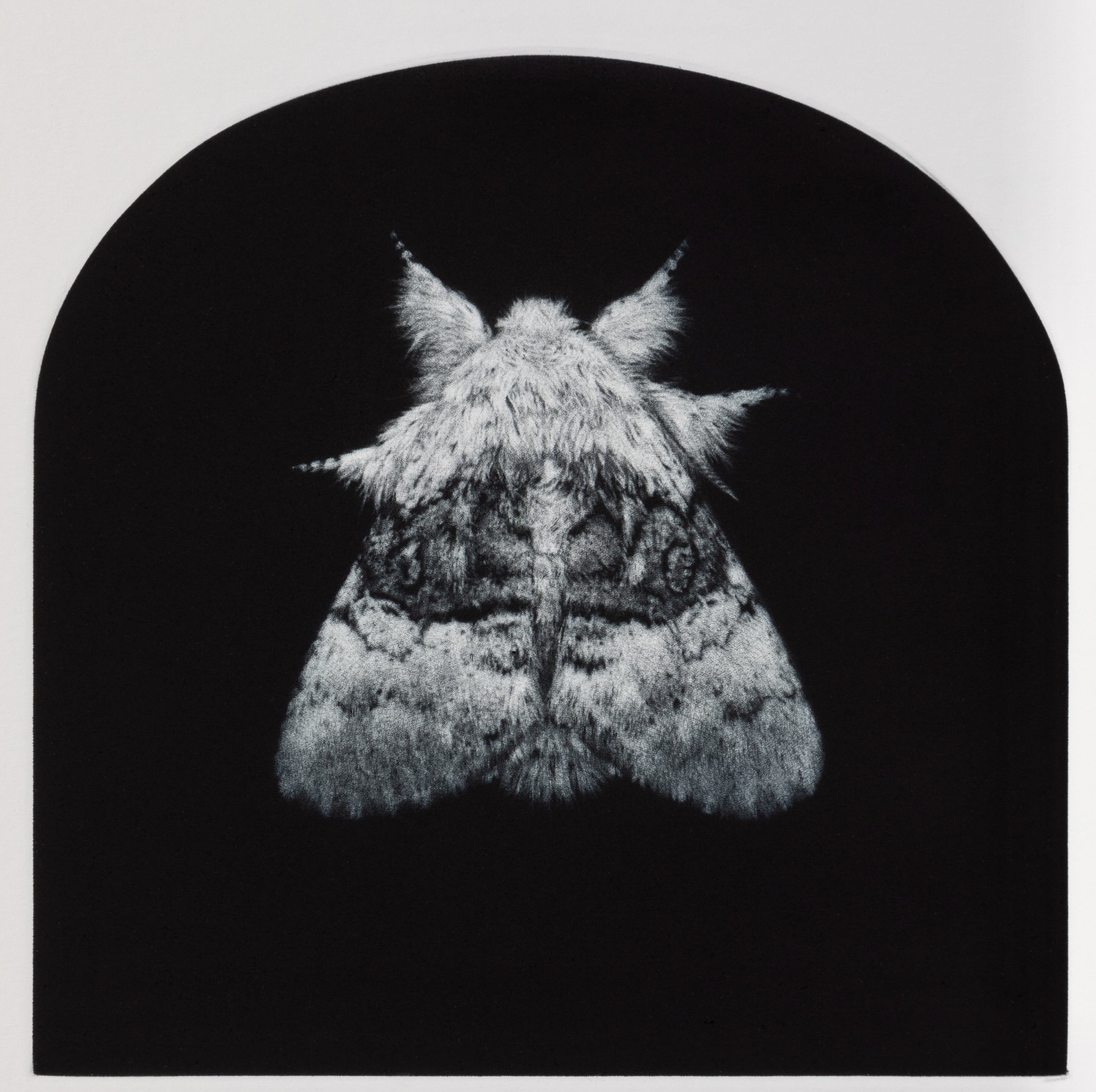
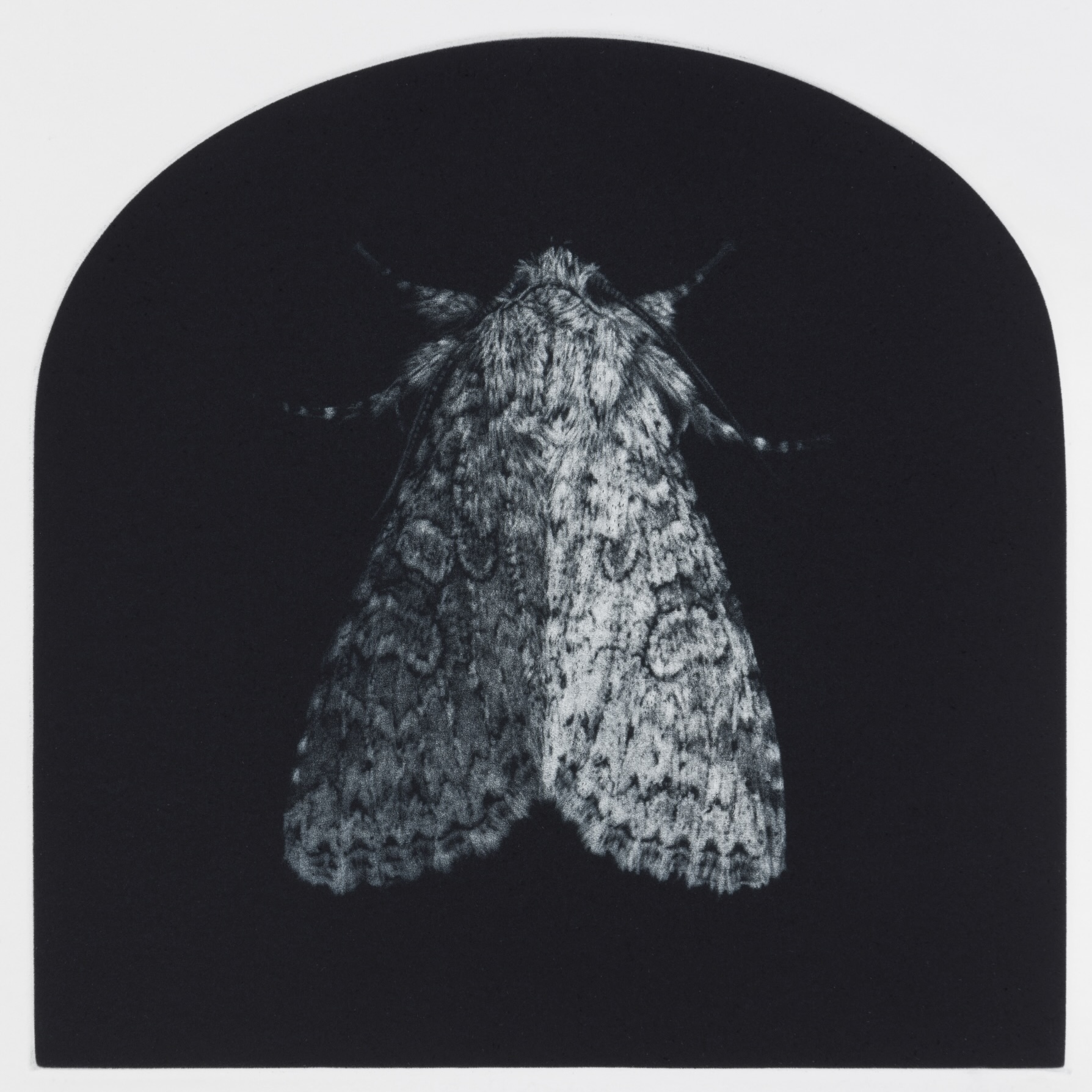
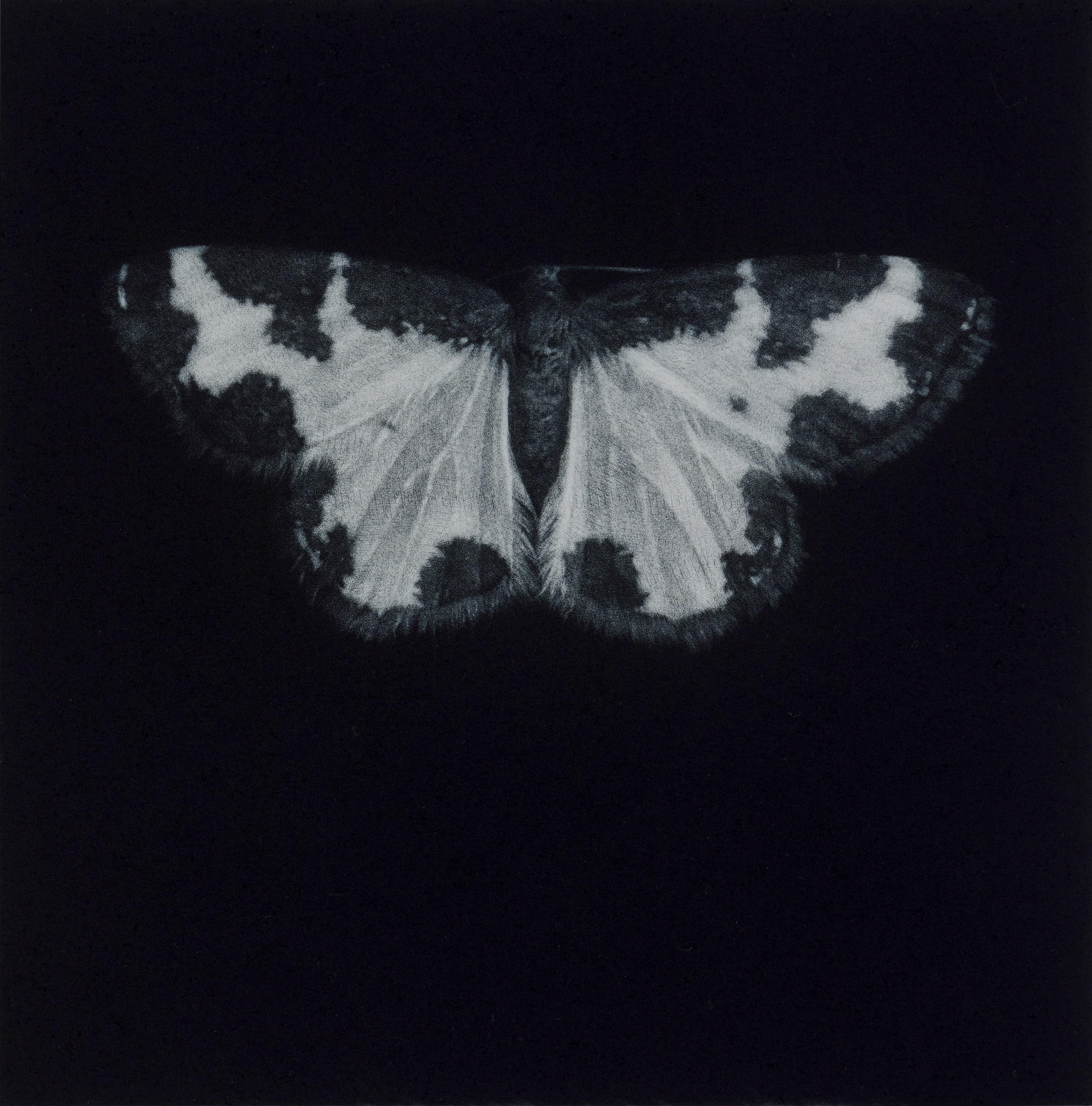
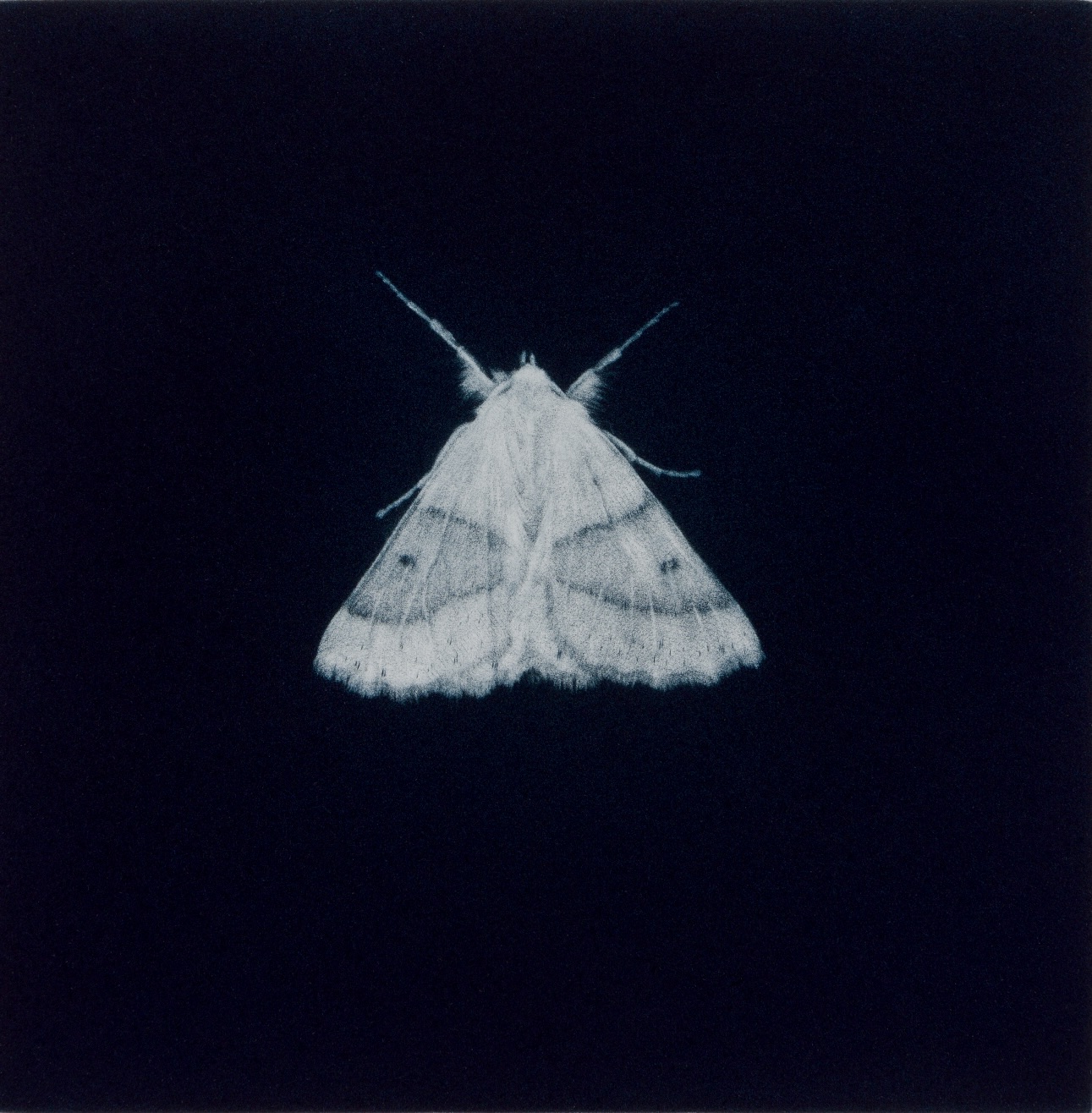
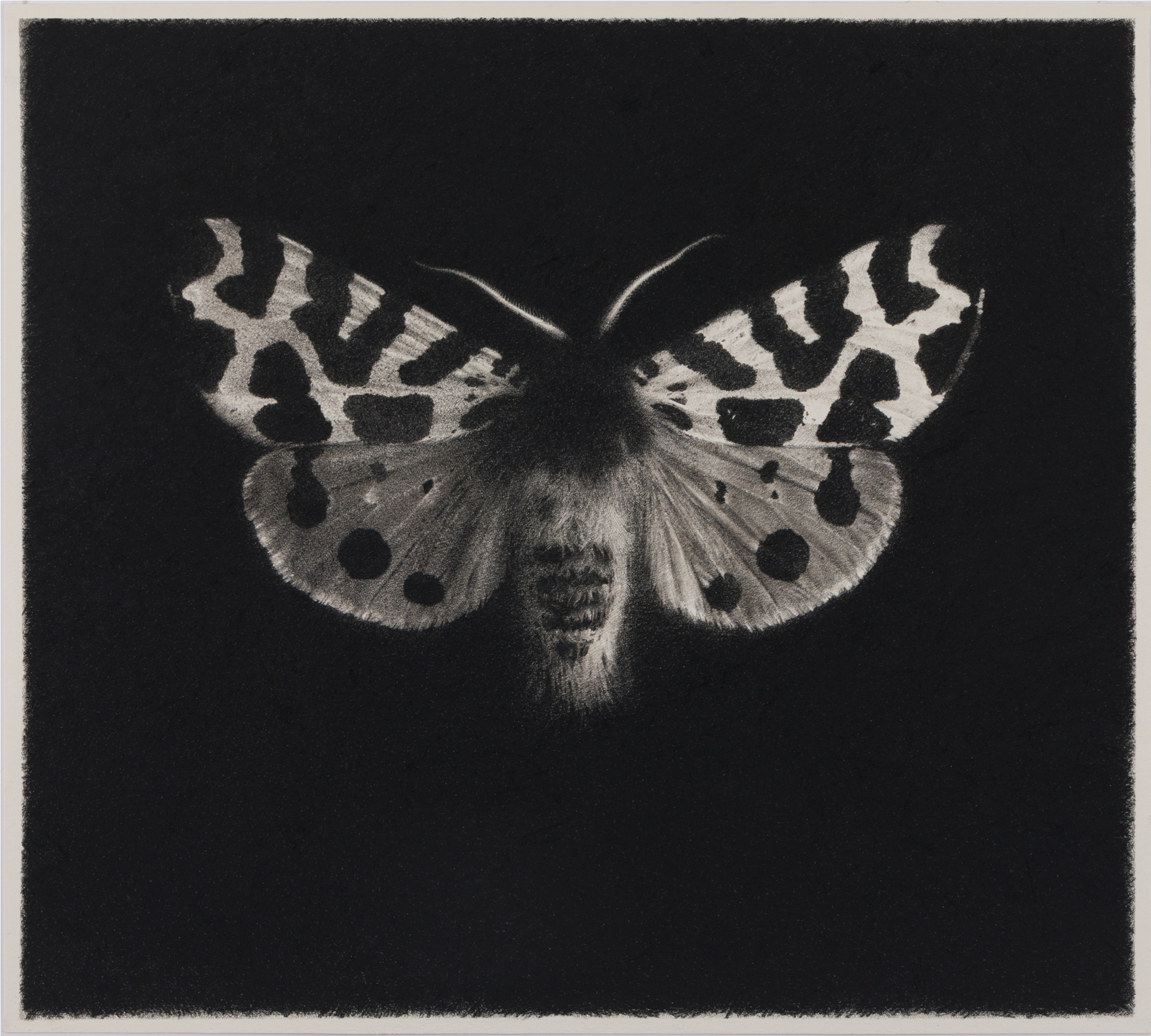
Developed through sustained observation of the woods, meadows and night-life around both Kestle Barton and the artist’s home in Devon, these works continue Gillespie’s distinctive exploration of moths and other small, often overlooked, inhabitants of these environments. Her practice is rooted in close looking — an attentiveness to fragility, pattern and transformation — where the act of drawing becomes a way of registering both physical detail and a more elusive sense of encounter.
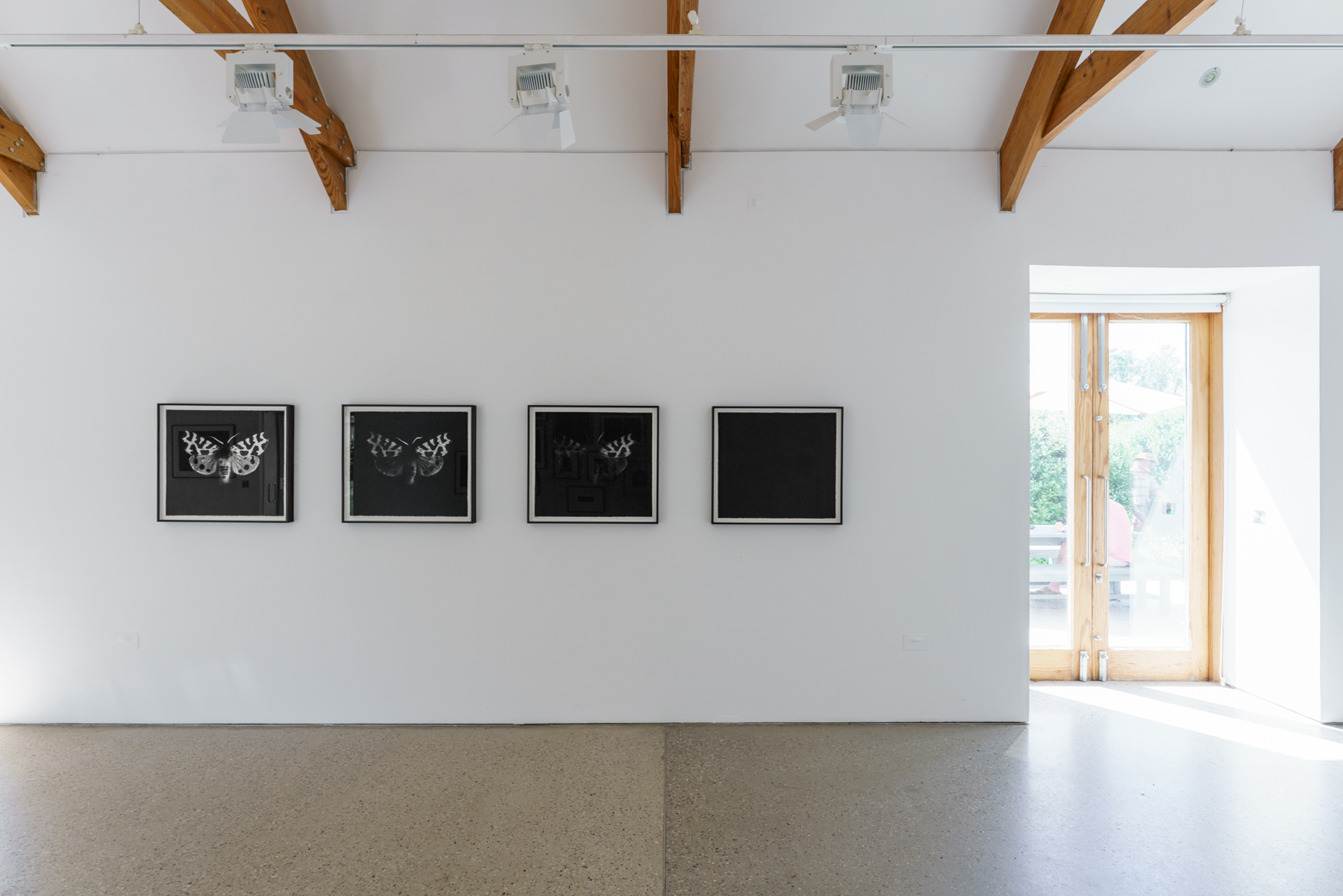
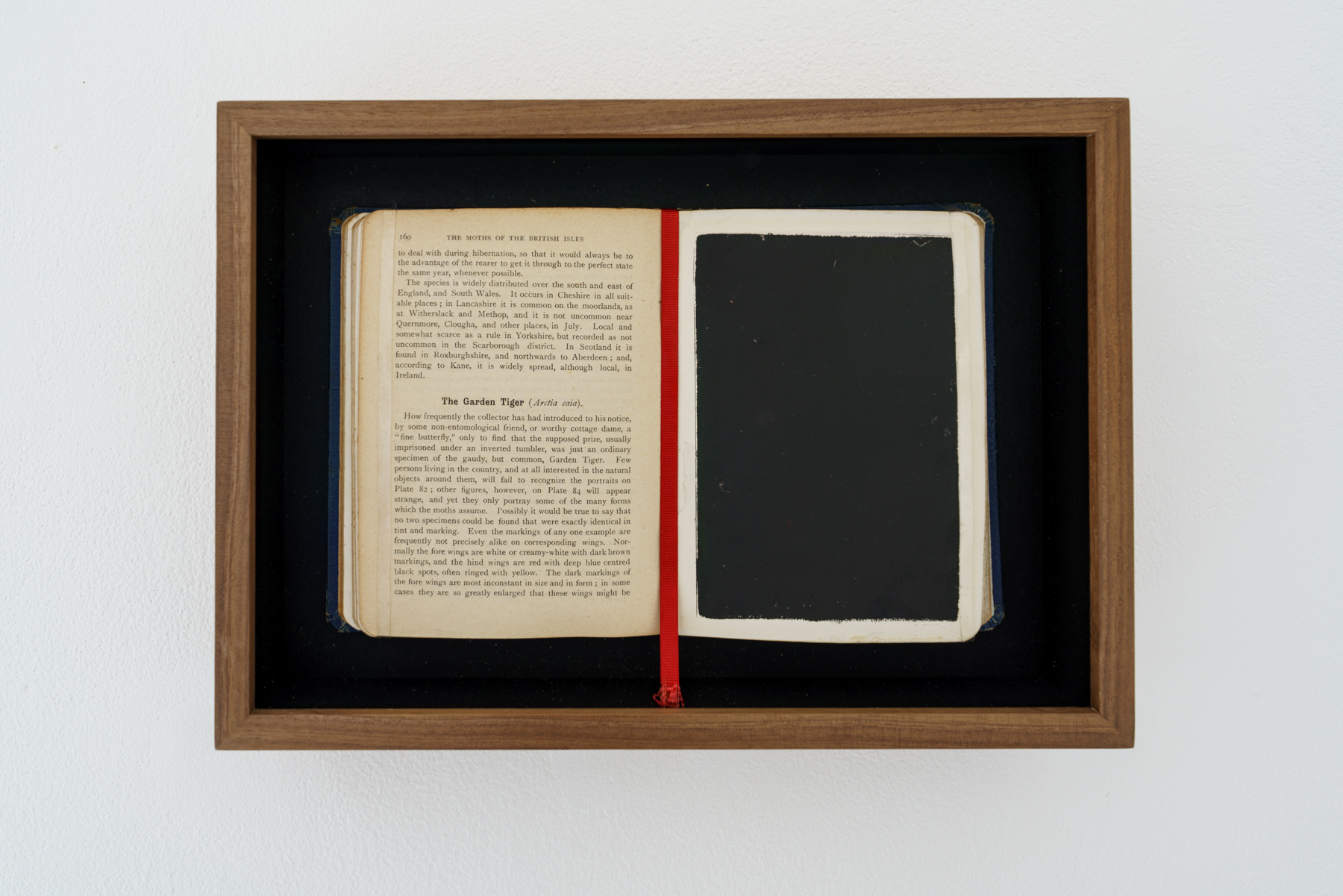
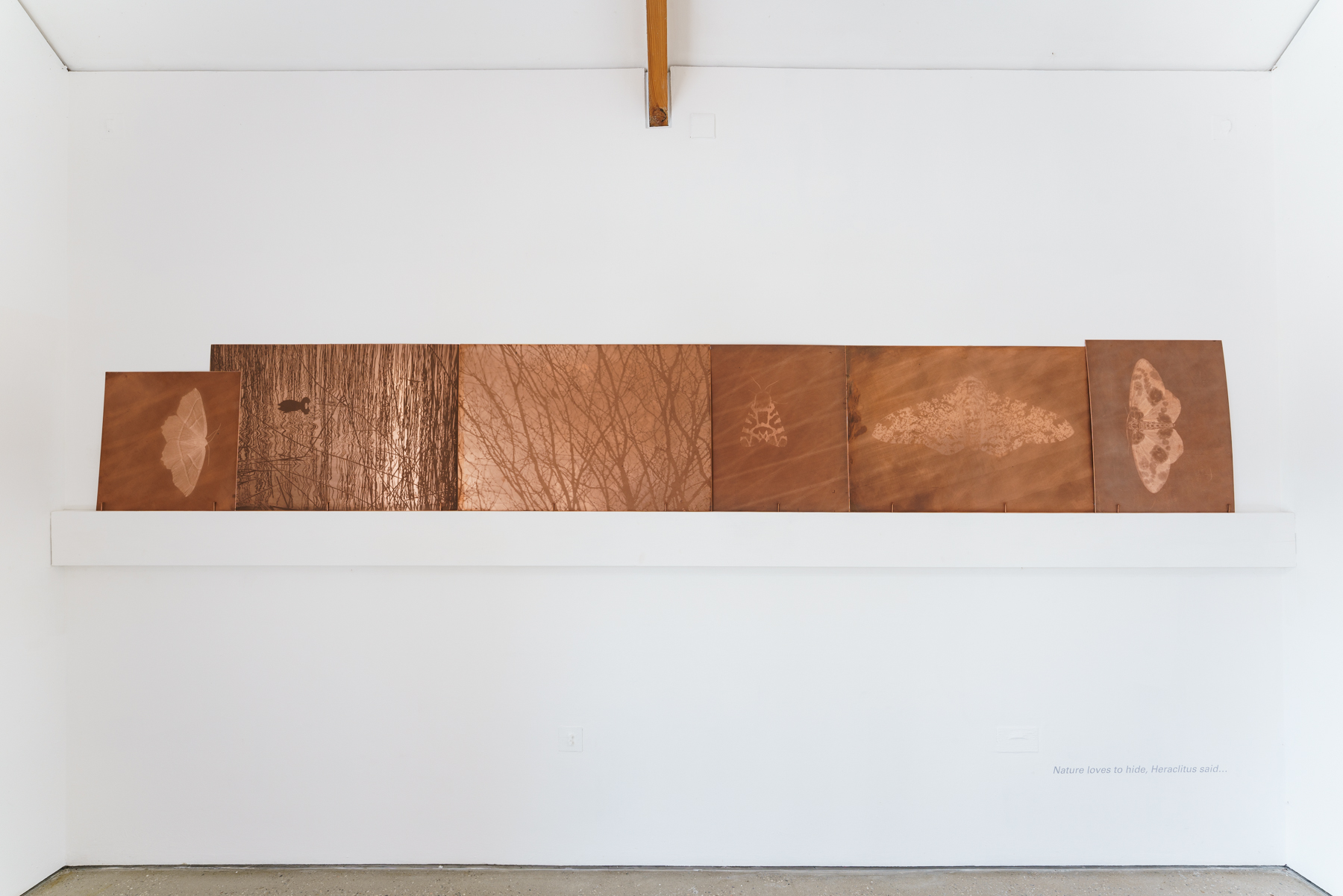
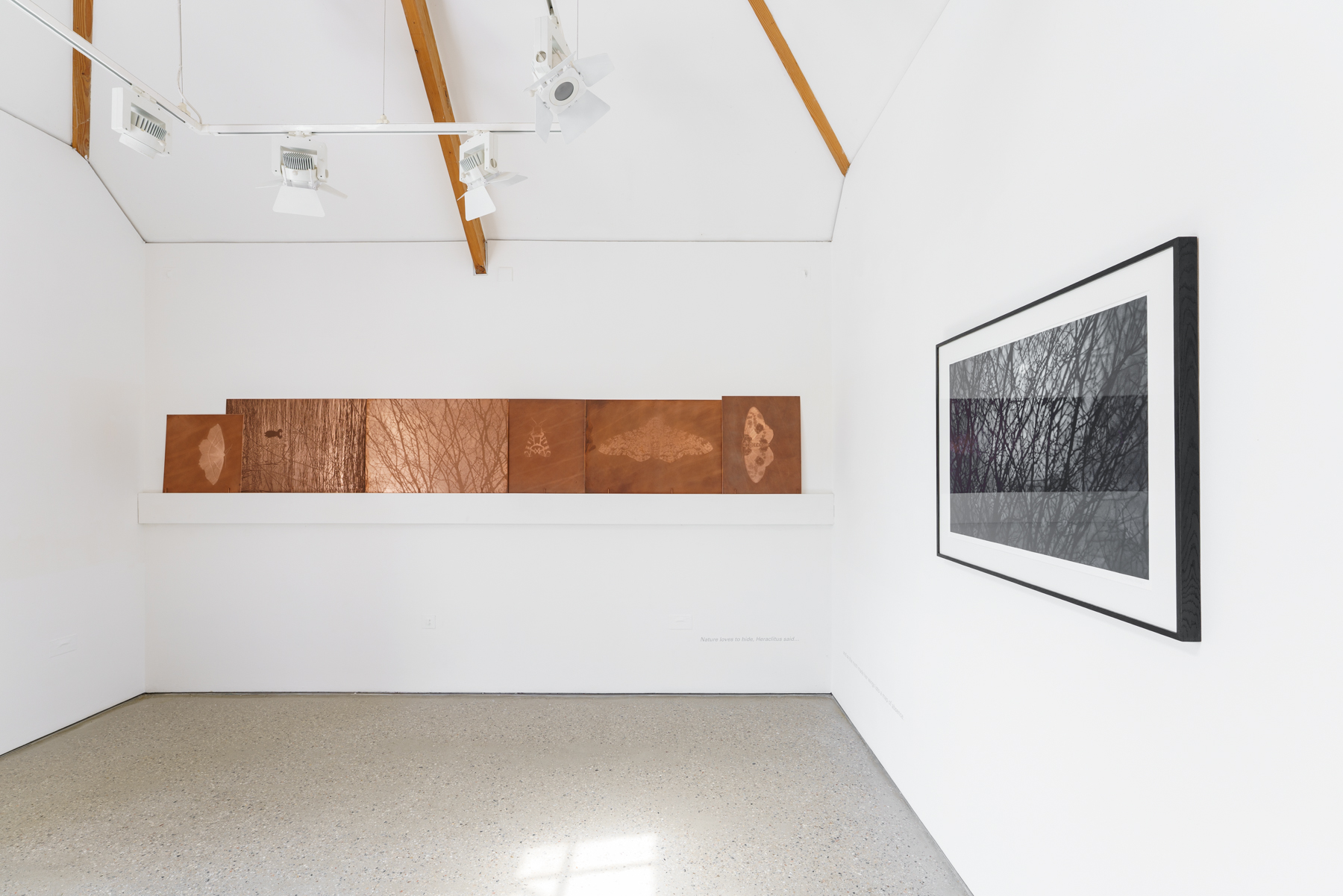
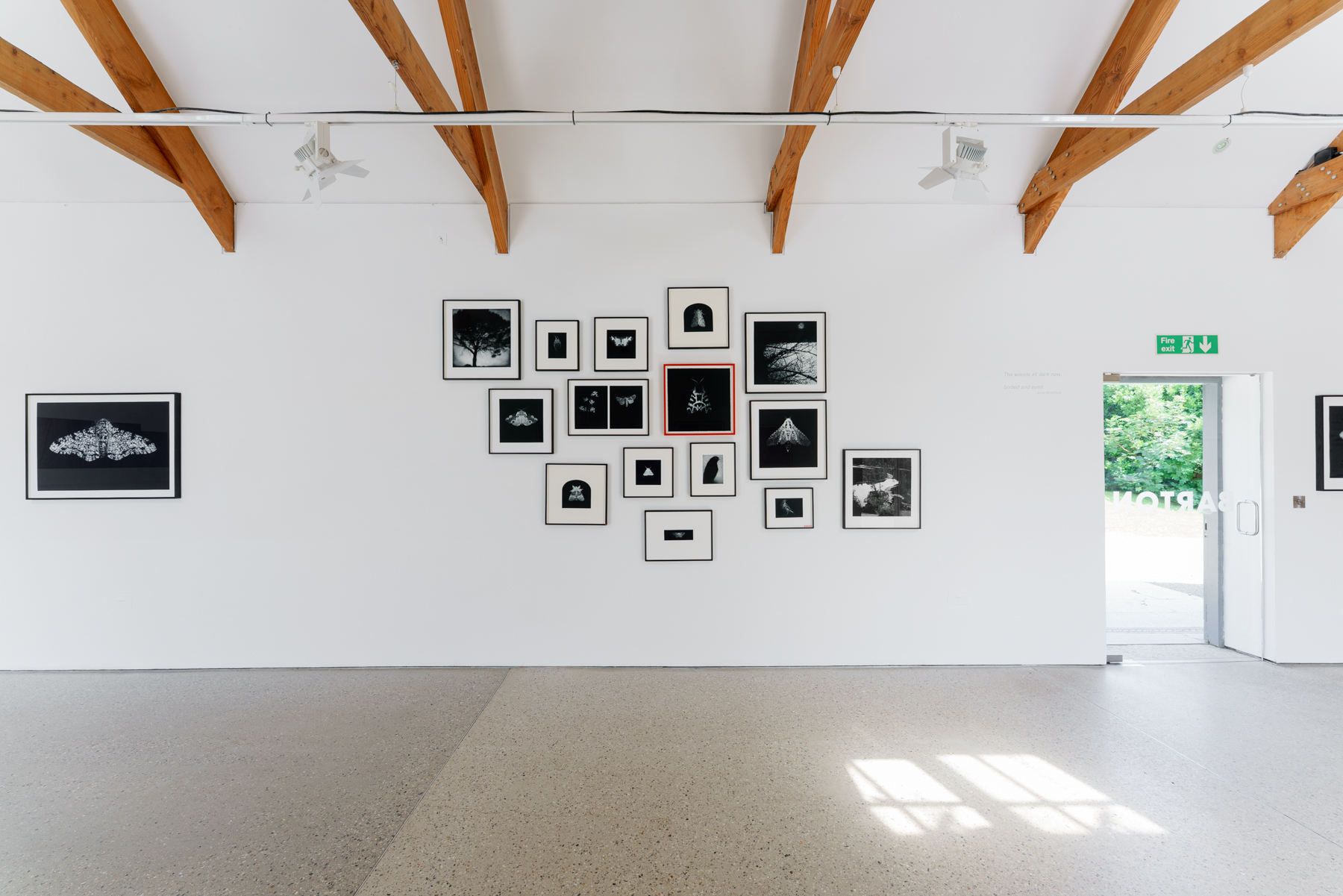
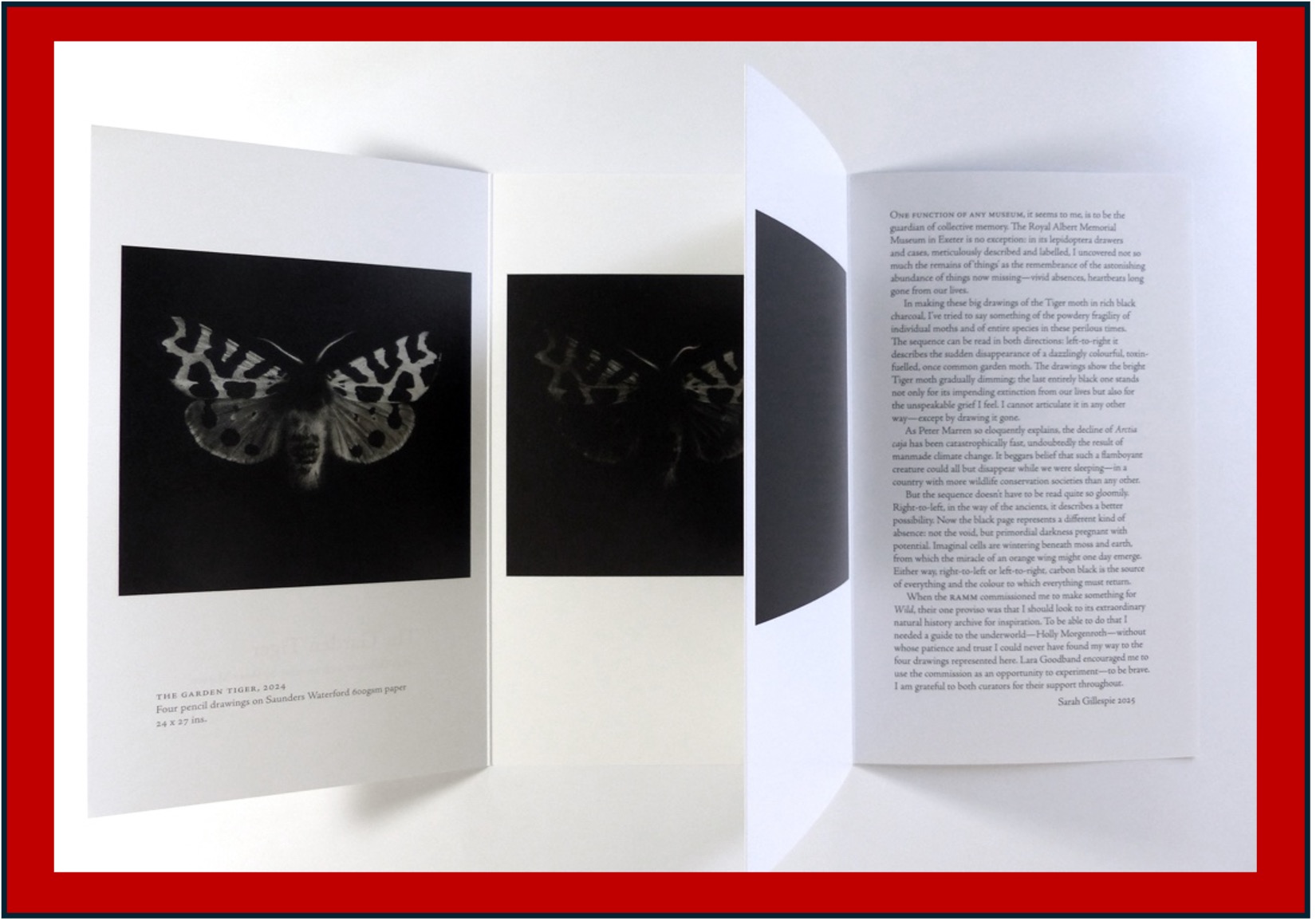
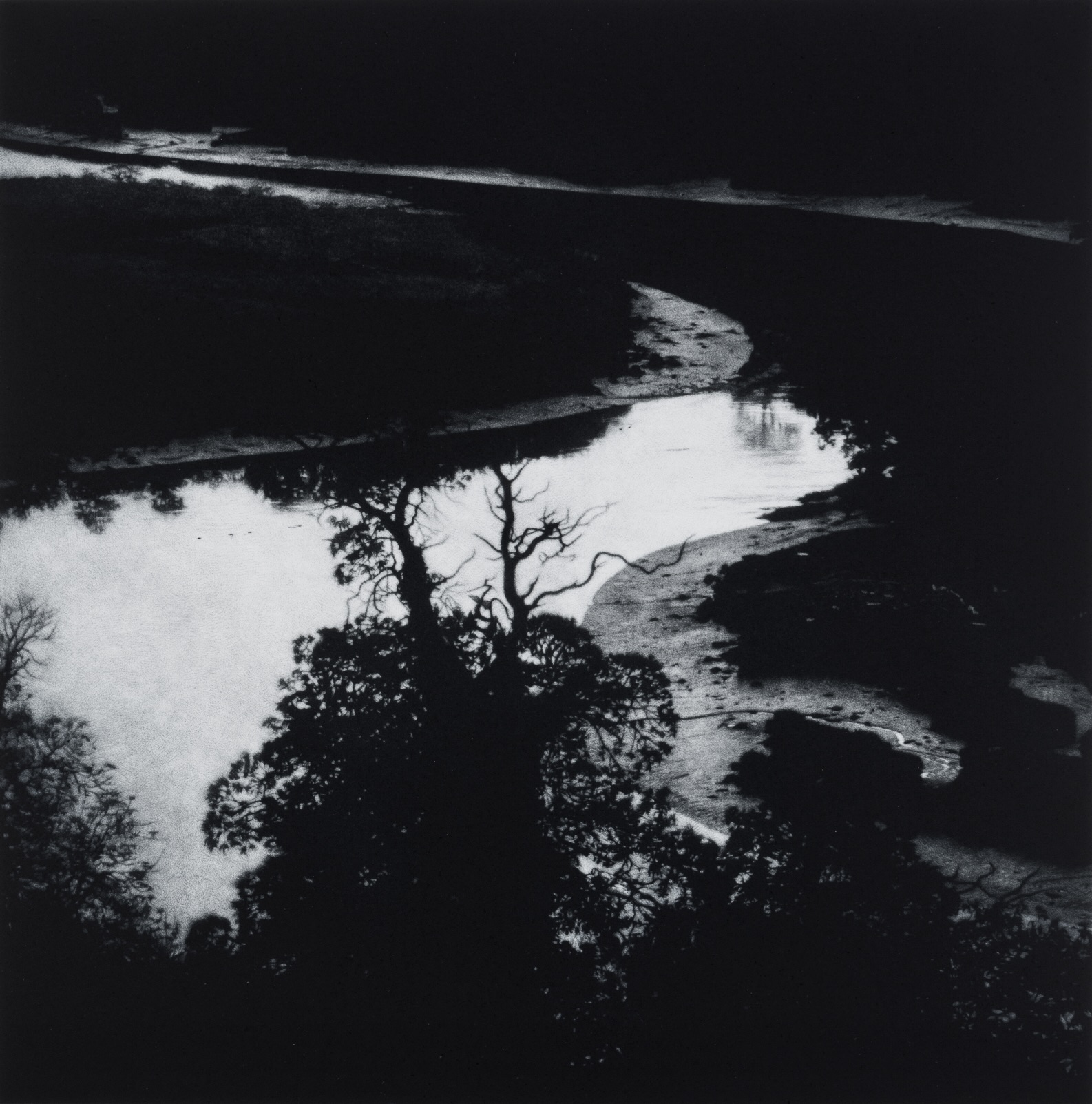
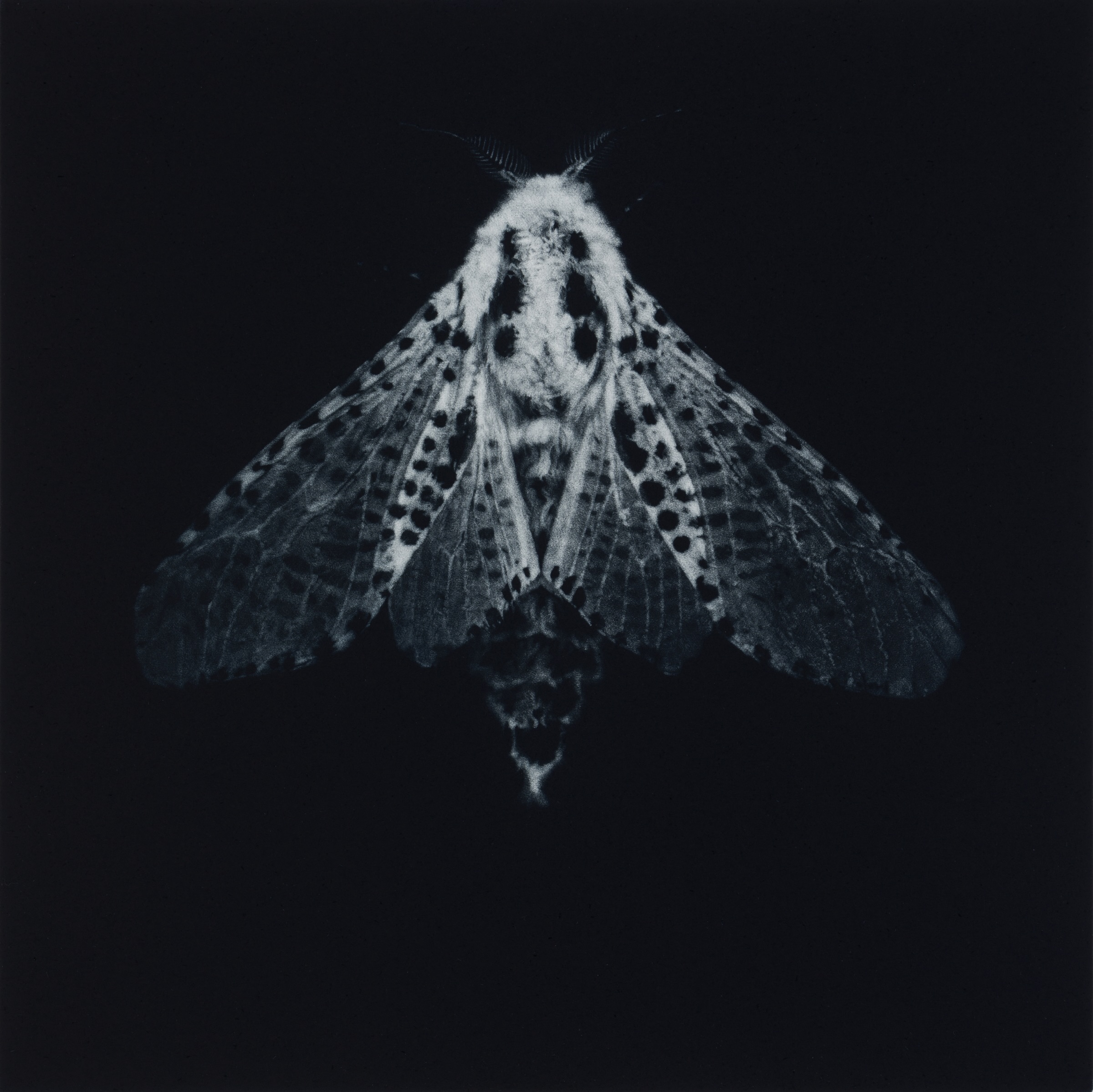
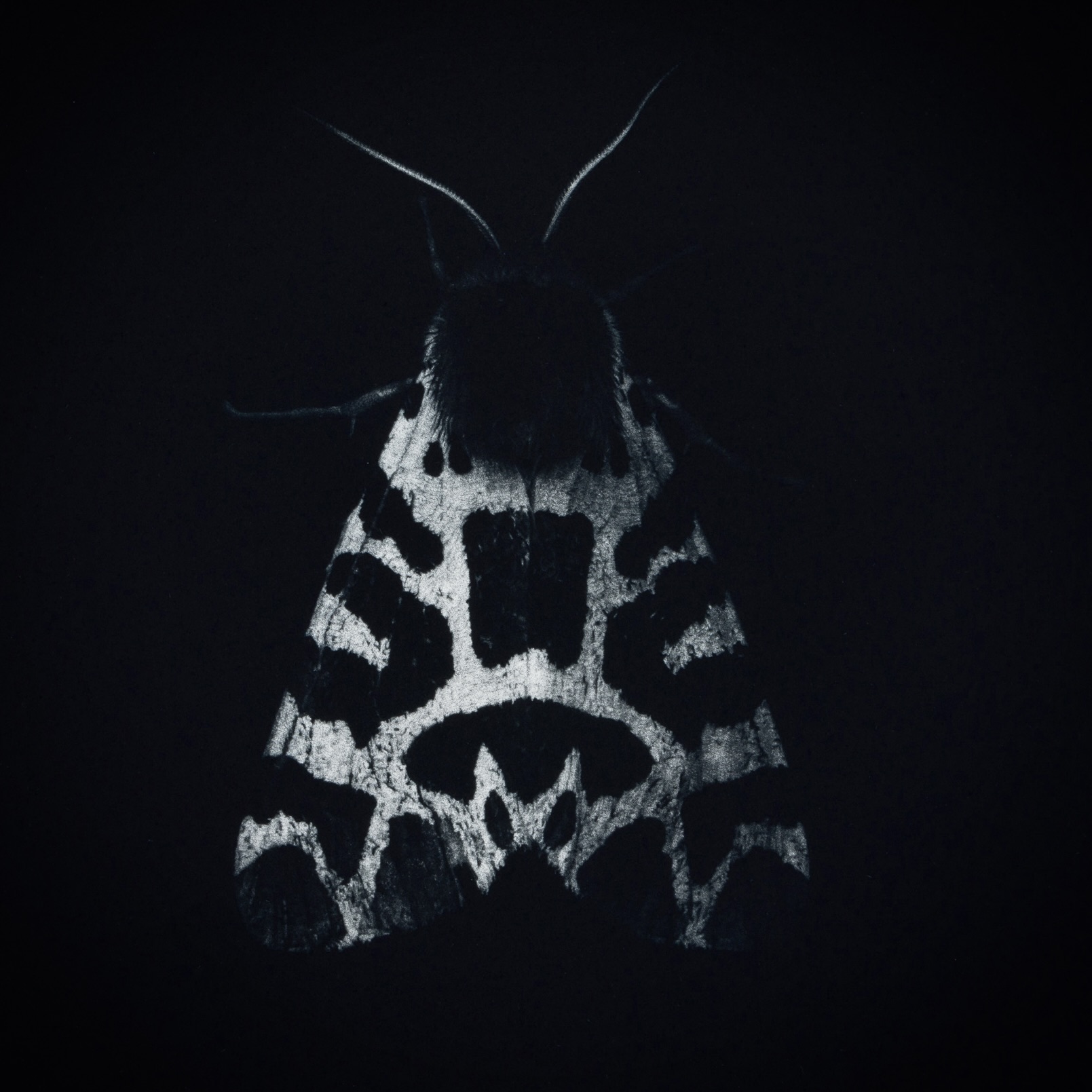
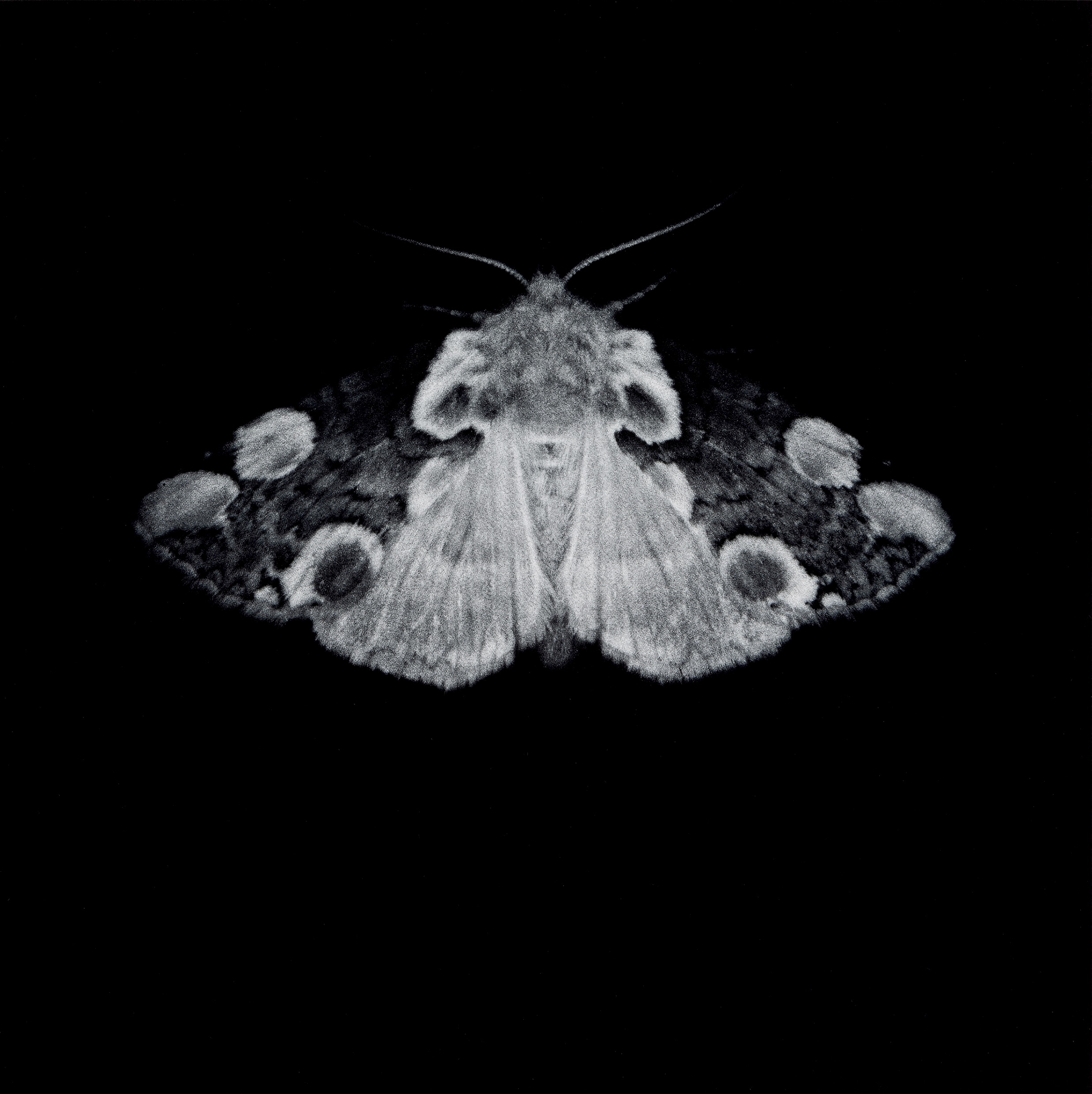
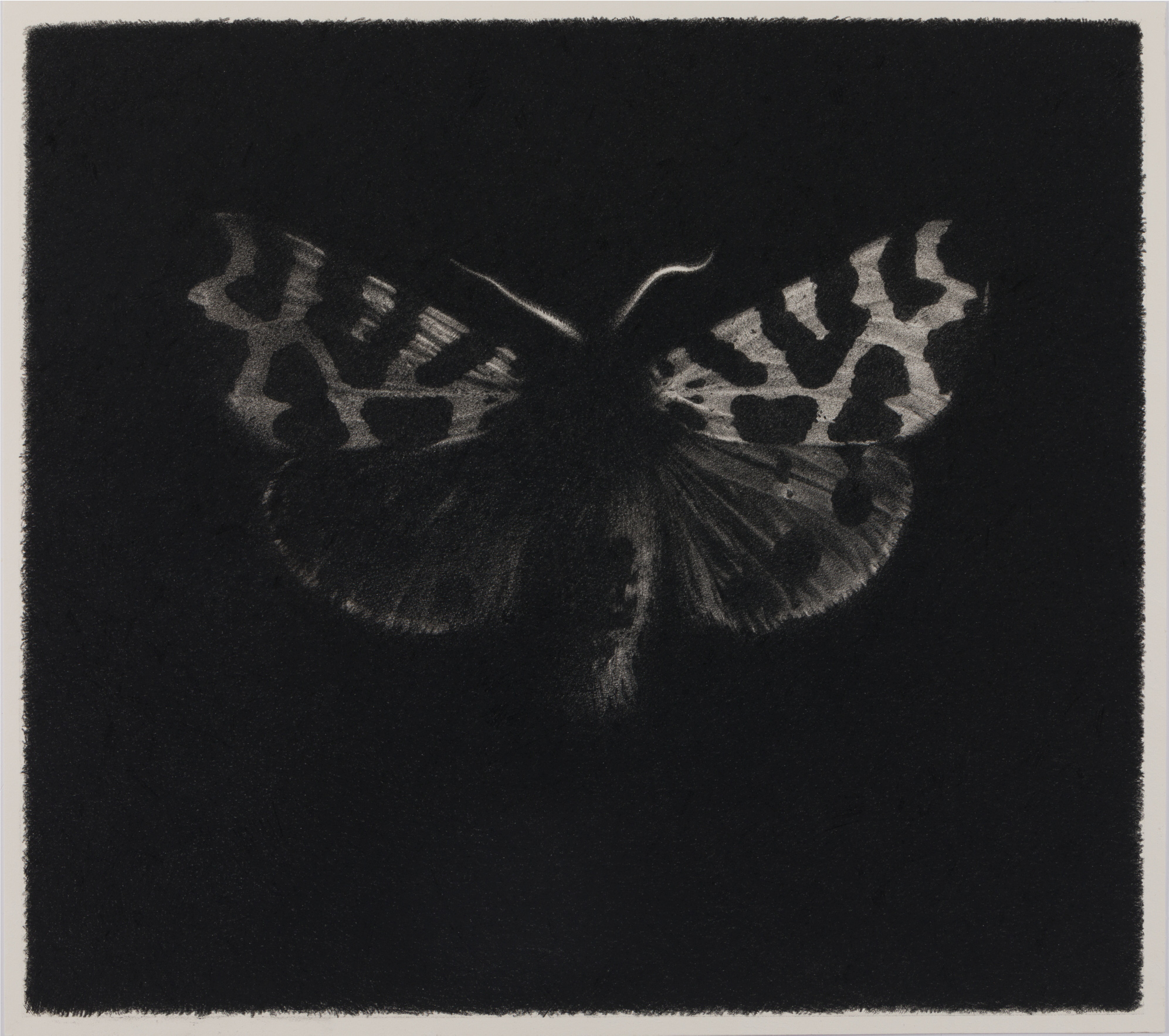
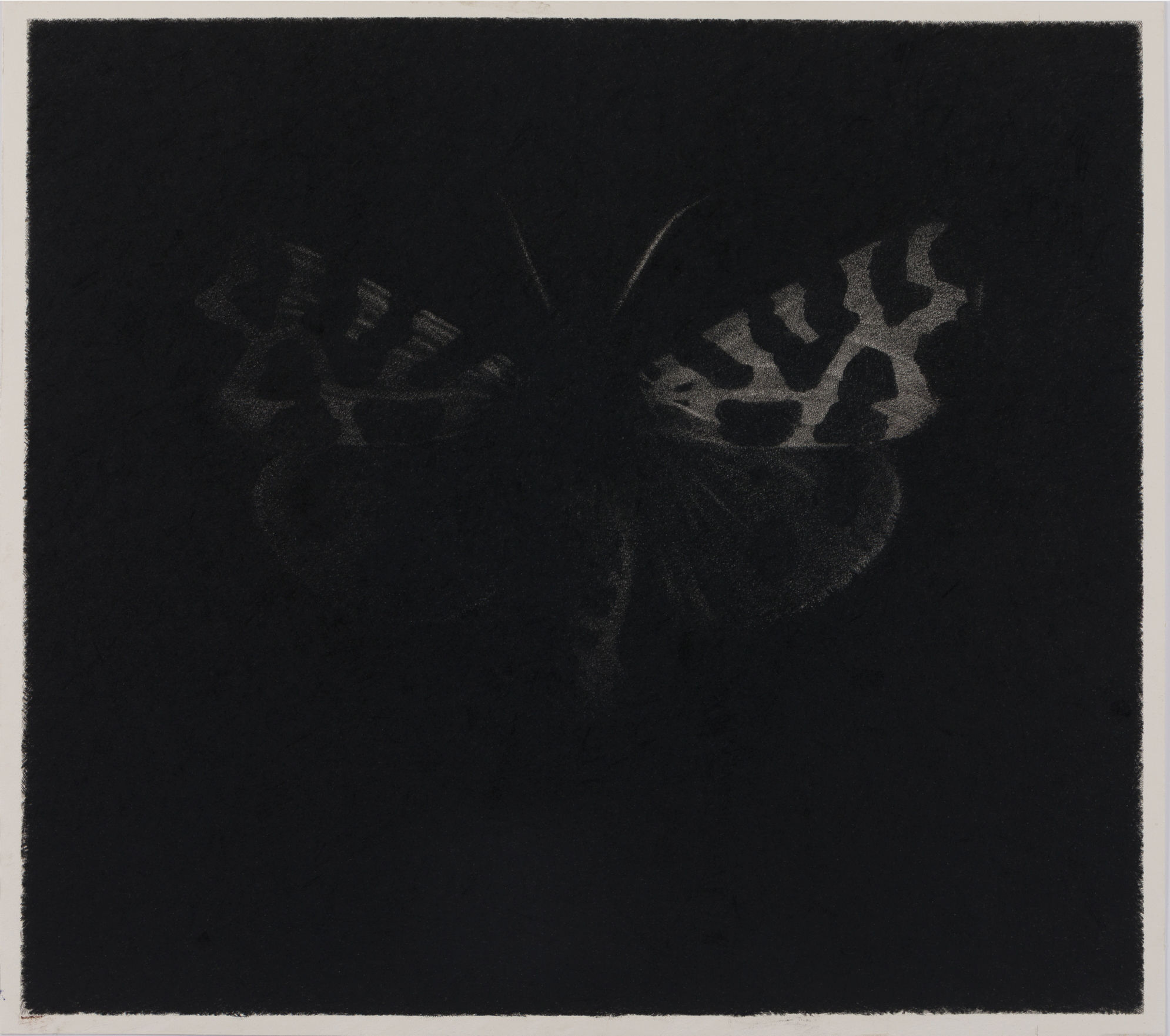
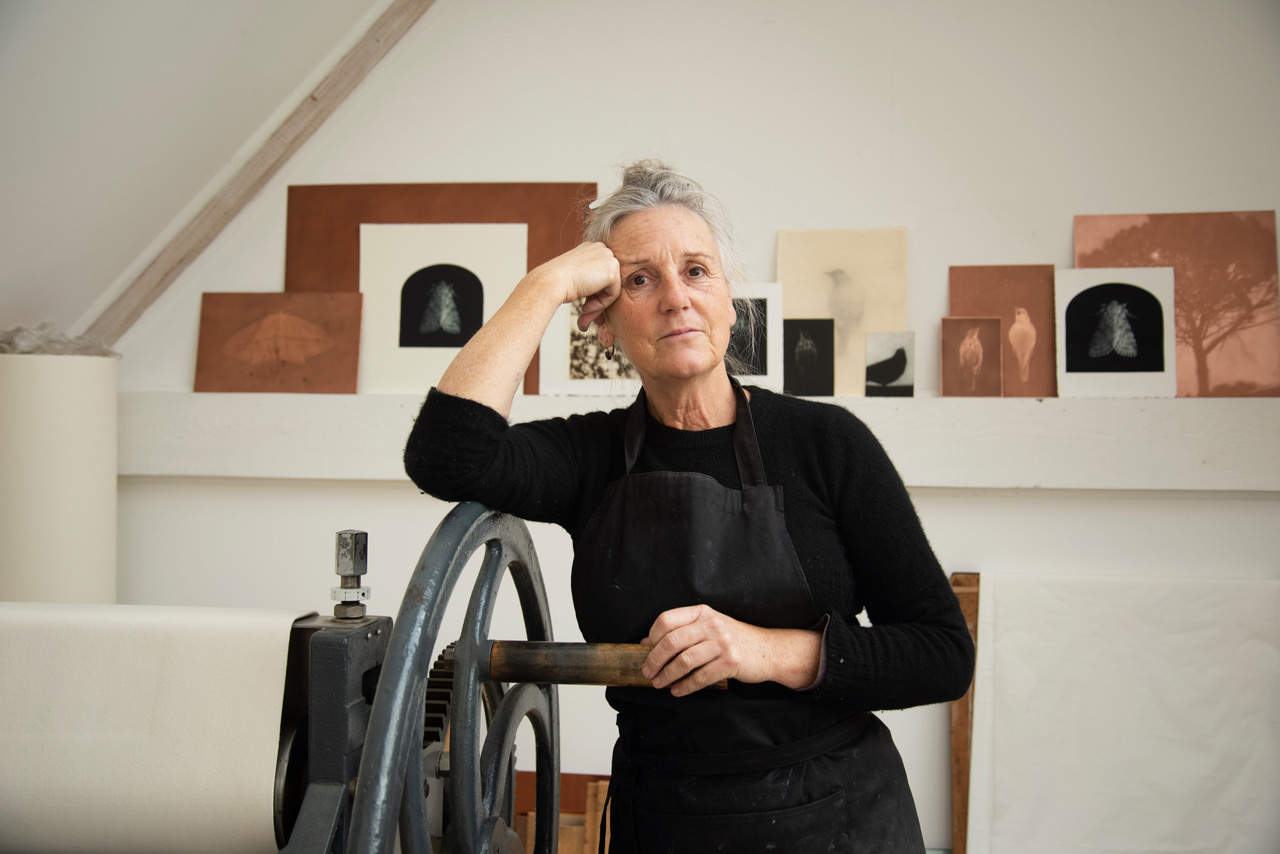
Working primarily in mezzotint, a printmaking process known for its depth of tone and capacity for subtle gradation, Gillespie brings a particular intensity to her subjects. Moths emerge from dark grounds, their wings and markings rendered with precision yet retaining a sense of movement and impermanence. Alongside these prints, drawings extend this enquiry, tracing the forms and rhythms of the surrounding landscape. All mezzotints in the exhibition will be available. A group of ‘spent’ copper etching plates from the artist’s studio will also be on display, offering further insight into the printing process and existing as objects of quiet material presence in their own right. Four large Garden Tiger drawings, commissioned by the Royal Albert Memorial Museum & Art Gallery, Exeter (2025), are included in the exhibition.
As with her previous exhibition at Kestle Barton in 2020, Gillespie’s work is closely connected to the specific ecology of the place. The gallery, set within a former farmstead and surrounded by cultivated gardens and wild margins, provides a context in which these images resonate — not as isolated studies but as part of a wider, living environment. The exhibition invites a slower mode of looking, attuned to cycles of light and darkness, presence and disappearance.
Alongside Hirshfield’s words, the exhibition is informed by a line from Heraclitus — ‘nature likes to be hid’. Gillespie’s sustained engagement with camouflage and patterning reflects both the evolutionary intelligence of her subjects and the difficulty of fully apprehending them. These works suggest a world in which what is most vital often remains partially concealed, held in a state of quiet resistance to being seen.
In bringing these works together, Birded and Eyed reflects on the idea of being both observer and observed — a shifting relationship between human and non-human worlds, held in a state of quiet attention.
The exhibition opens on Saturday 20 June, 2–5pm, and all are welcome. At 3pm, Sarah Gillespie will give an artist’s talk in conversation with Lara Goodband, Curator of Contemporary Art at RAMM, Exeter. This will be followed by a demonstration of Gillespie’s printing process with Simon Marsh on his press. A small mezzotint will be produced in a limited edition, with proceeds supporting Kestle Barton’s annual Festival of Children’s Literature for primary school children on The Lizard, a closed event held in early July.
On Sunday 12 July at 9am, weather permitting, Gillespie will return to Kestle Barton for a ‘moth morning’, joined by local enthusiasts. Visitors are invited to take part in a ‘reveal’ of moths recorded overnight — an opportunity for close observation and shared appreciation before the insects are released back into their natural habitat.
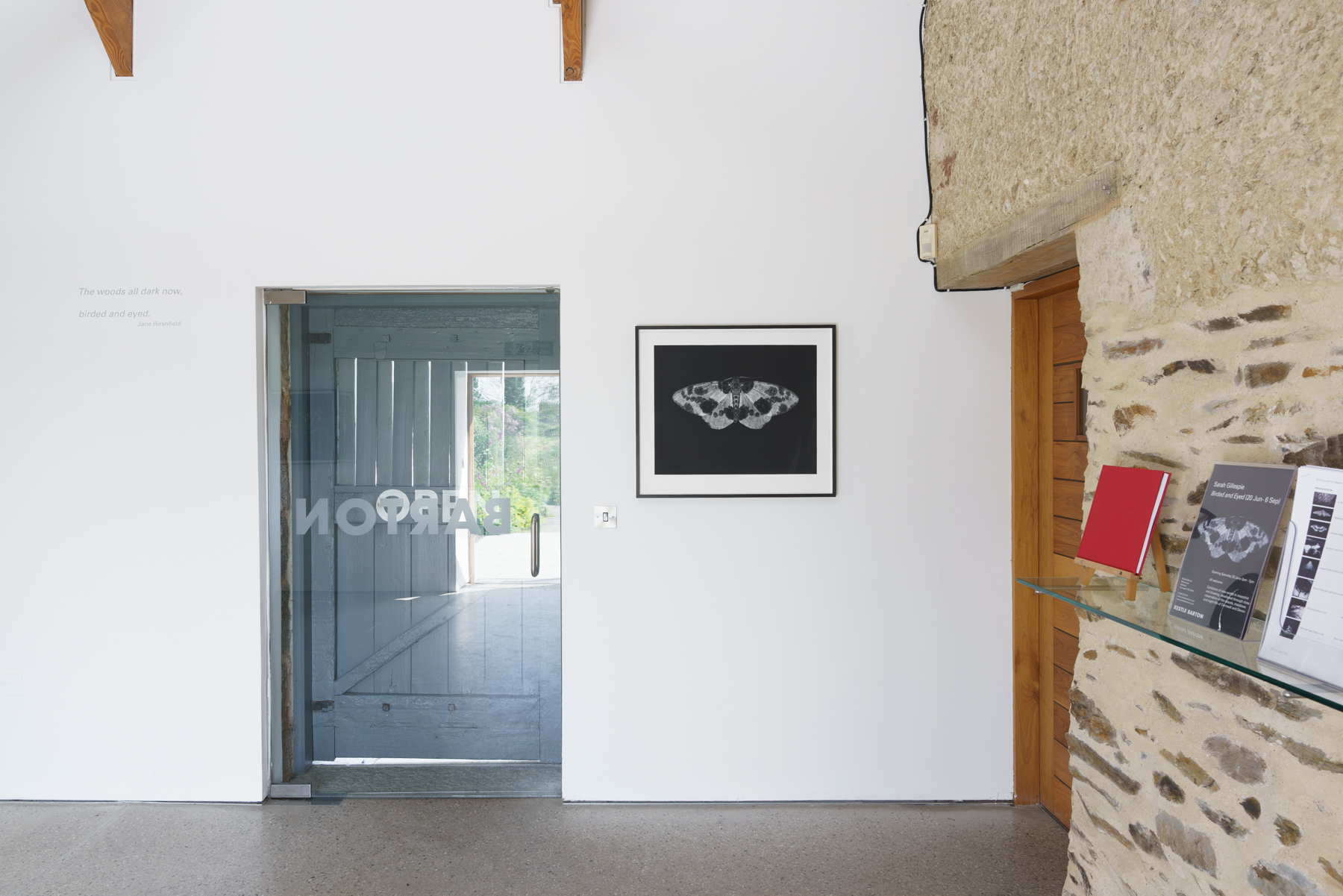
Image:
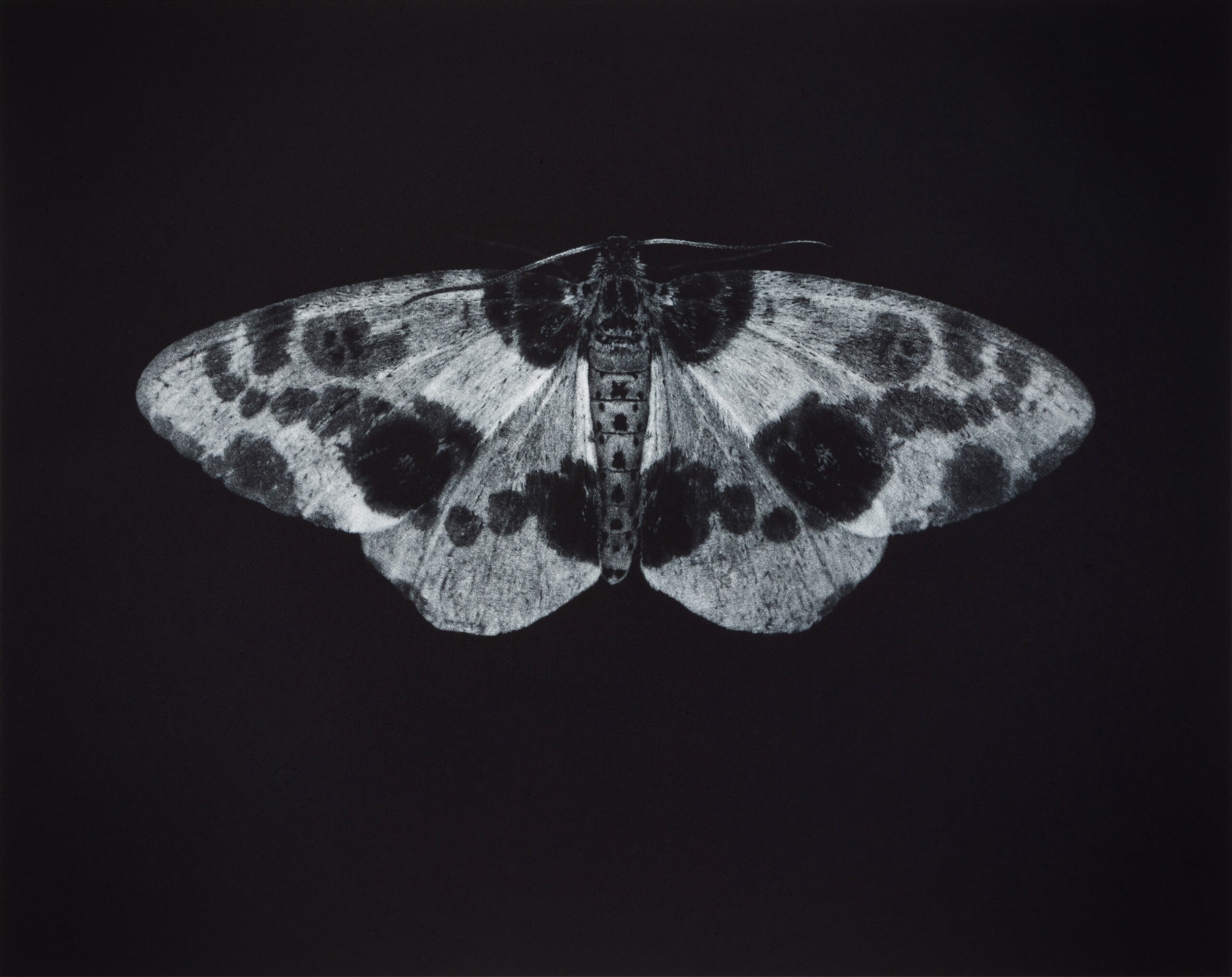
Sarah Gillespie, Clouded Magpie
Edition of 30. 50 x 63cm; Mezzotint